Tackling Climate Change in Sport: Nike’s Sustainable Impact
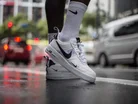
Nike is the world’s largest athletic footwear and apparel company, with its brands including Converse and Jordan recognised across the world.
It is working towards a more sustainable future in the sportswear industry by reducing waste across its business and using renewable energy.
Nike has been named 26th in Sustainability Magazine’s Top 250 World’s Most Sustainable Companies 2025.

The Move to Zero journey
Nike is pushing sustainability through its Move to Zero journey which aims to help protect the future of sport with zero carbon and zero waste targets.
The initiative was established in response to climate change impacting sport, with the number of days above 90°F (32°C) increasing by nearly 25% since the 1980s.
Multiple US states have brought in rules to keep athletes safe in increasingly hot and humid weather conditions by having shorter practice sessions or cancelling games.
Move to Zero’s initiatives include powering Nike’s owned facilities with 100% renewable energy by 2025 and reducing carbon emissions across its global supply chain by 30% by 2030.
Lowering emissions across the supply chain
By 2030, Nike aims to reduce its Scope 1 and 2 carbon emissions by 65% from its 2015 baseline.
To achieve this goal, it is focusing on innovating its products and minimising the emissions from sourcing raw materials.
It is helping to support its suppliers in their transition to renewable energy to reduce emissions across the supply chain, while aiming to change how it transports its products to lower carbon emissions.
Its aim is to collaborate with its suppliers and partners across the value chain in order to meet its net zero carbon goals.
Nike is innovating new solutions to tackle the emissions related to its raw material use.
It is prioritising key materials that have the greatest impact such as polyester, cotton, leather, foam and rubber.
It is working on replacing these materials with recycled polyester and lower-carbon leather, as well as converting polyester-based products such as shoelaces to closed-loop recycled alternatives.
John Hoke, Chief Design Officer at Nike, says: “Design has the opportunity to take on a powerful role in making the world a better place.
“By focusing on progress and not perfection and by making better choices, we embrace the chance to reconsider our craft in hope that it forms a ground swell of change.”
Nike’s contribution to a circular economy
Nike’s 2025 target is to have 100% of waste diverted from landfill in its extended supply chain and to have at least 80% of waste recycled back into its products and goods.
The company’s journey to eliminate waste began 30 years ago with its Reuse-a-Shoe programme.
This initiative offered a collection service across the US for consumers’ end of life shoes which were then reused or grinded down into new material used to make items like dumbbells, gloves and basketball and tennis courts.
Now, Nike offers consumers a range of circular services to extend the life of their footwear and clothing.
One example is its Clean and Care tutorials on its website that help consumers keep the products in use for as long as possible, extending the lifespan of Nike’s products.
Nike integrates waste reduction strategies into its product design, packaging and manufacturing to optimise its use of materials.
It aims to use lower-waste materials and more efficient patterns which reduces its waste footprint across the supply chain while creating the same experience for consumers.
John Donahoe, Former President and CEO of Nike, said on LinkedIn: “We know the future of sport depends on a healthy planet - and protecting that future requires real, scalable change.
“At Nike, we are committed to doing our part for a better tomorrow.”