Wind and Solar Generation Surpass Gas For The First Time
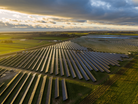
Combined, wind and solar energy sources generated 22% of global electricity compared to 20% from gas, Ember’s latest analysis found.
The renewables technologies produced 54TWh more than gas plants.
At a time when gas supply and energy prices are headline news, Ember’s data weakens the argument for fossil fuel imports and suggests moves back to coal during the energy crisis were limited.
“Countries around the world have been turning to wind and solar because they are cheap, homegrown and secure sources of electricity,” says Kostantsa Rangelova, Global Electricity Analyst at Ember.
“The current energy crisis has further strengthened the economic case for renewables compared to imported gas, while also adding greater political urgency to accelerate deployment.
“For many importing countries, LNG-powered electricity is increasingly unable to compete with wind and solar.”
Clean energy momentum builds
To illustrate the growth of renewable generation in recent years, Ember’s data from April 2021 shows that gas generation stood at a similar level (476TWh), but this was nearly double the combined generation from wind and solar (245TWh).
Wind and solar generation also rose across countries reporting April 2026 data.
Globally, output is estimated to have grown 13% year-on-year, with gains across major markets including China (up 14%), the EU (up 13%), the UK (up 35%), the US (up 8%), Australia (up 17%), Chile (up 24%) and Brazil (up 4%), Ember’s data shows.
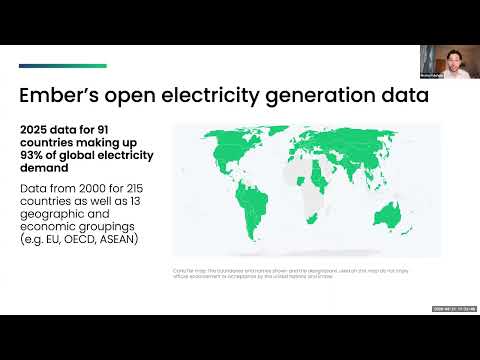
Its analysis is based on reported data from 36 countries and estimates for countries yet to publish April 2026 data. Ember warned that the April milestone does not yet signal a permanent switch in the roles of renewables and gas generation.
But Sam Kimmins, Director of Energy at the Climate Group, welcomed the data as a sign of things to come.
"Projections are becoming reality. This milestone demonstrates the potential of the renewables industry to not only displace coal, but also gas - we anticipate this trend accelerating as storage solutions scale across the globe."
Sustainability leaders won’t want to miss Sustainability LIVE: The Leadership Summit at London Climate Action Week, taking place at Code Node on 25 June 2026.
Register now for this exclusive invite-only event.
Spring weather in the northern hemisphere – which brings a combination of windy and sunny conditions – has helped to boost production and lower gas demand.
“The milestone occurred during the first full month of the latest global energy crisis triggered by the conflict in the Middle East, highlighting how rapidly growing wind and solar generation is reshaping the global power mix even amid fossil fuel market volatility,” says Bruce Douglas, CEO at the Global Renewables Alliance.
“Grids and Storage (of all durations) now needed at scale to move the abundant green electrons in time and location.”
Is the end nigh for fossil fuels?
But April’s record is the latest step in the long-term shift towards a clean energy future.
Wind and solar accounted for 30% of the EU’s total electricity generation for all of 2025, narrowly overtaking fossil fuels, which produced 29%. The rest came largely from nuclear energy.
Across the first half of 2025, renewables overtook coal for the first time on record.