A new generation of software providers is racing to become the operating system for corporate decarbonisation, offering platforms with audit‑ready carbon accounts, automated data ingestion and regulatory‑grade reporting at a time when climate disclosure is moving from voluntary to mandatory.
In association with Normative, this ranking highlights the most globally significant carbon accounting players today – those shaping standards, winning blue‑chip clients and attracting serious investment.
10. Normative
HQ: Stockholm, Sweden
CEO: Sebastien Blanc
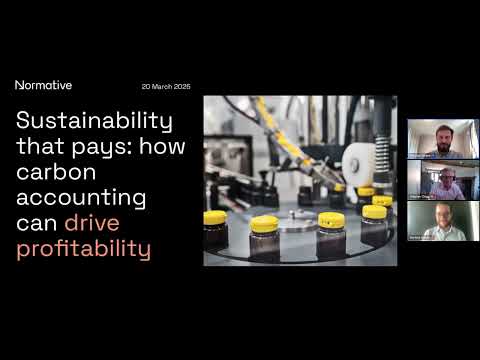
Normative is widely seen as a pioneer in automated, standards‑driven carbon accounting, particularly in Europe.
"At Normative.io, we aim to deliver a platform that turns the data maze into a streamlined, transparent process so you can ensure audit compliance AND see the real impact of every climate initiative," says Normative CEO Sebastien Blanc.
Its platform aligns closely with the Greenhouse Gas Protocol and emerging EU rules, using spend‑based and activity‑based methods to cover complex Scope 3 categories.
9. Nasdaq
HQ: New York City, US
CEO: Adena Friedman
Nasdaq Metrio is now one of the most influential ESG and carbon accounting platforms, backed by the scale and regulatory credibility of the global exchange operator.
Acquired by Nasdaq in 2022, the software has been rebuilt into a core component of its end‑to‑end sustainability suite, spanning data collection, audit‑grade carbon accounting and multi‑framework reporting.
Its carbon module handles Scope 1, 2 and 3 emissions with configurable workflows and a large library of emission factors, delivering investor‑ready outputs.
8. Greenly
HQ: Paris, France
Co‑Founder and CEO: Alexis Normand
Greenly has emerged as the breakout carbon accounting platform for SMEs and mid‑market businesses, aiming to “massify” carbon management.
Its software plugs into common corporate data sources to automate footprint calculations and move clients from snapshot reporting to continuous monitoring.
With more than 400 customers and rapid ARR growth, Greenly is proving there is demand for accessible, UX‑driven carbon tools outside the enterprise tier. Backed by significant investment and a growing presence in Europe and the US, the company is pushing to make emissions tracking as routine as bookkeeping.
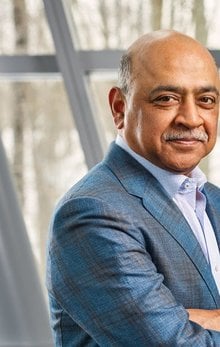
7. IBM
HQ: Armonk, New York, US
CEO: Arvind Krishna
IBM’s carbon accounting presence runs through its Environmental Intelligence Suite and Envizi platform, acquired and integrated to serve heavy emitters.
Together they offer emissions measurement, climate risk analytics and operational optimisation, backed by IBM’s consulting arm. Envizi focuses on aggregating utility, asset and activity data into audit‑ready emissions inventories, enabling companies to support assurance and regulatory filings.
Combined with IBM’s AI and hybrid‑cloud stack, the company is well placed to serve industries with complex infrastructure footprints, from manufacturing to utilities.
6. SAP
HQ: Walldorf, Germany
CEO: Christian Klein
SAP’s Sustainability Control Tower extends the company’s grip on enterprise resource planning into carbon and ESG data.
Sitting on top of SAP’s financial and operational systems, it allows firms to harmonise emissions data with procurement, production and logistics records, strengthening audit trails.
The platform supports reporting against a growing list of frameworks and regulations, embedding carbon metrics into board‑level performance dashboards.
As regulations push climate disclosures closer to financial statements, SAP’s ability to integrate carbon accounting with core ERP makes it a pivotal, if less flashy, force in the market.
5. Salesforce
HQ: San Francisco, California, US
CEO: Marc Benioff
Salesforce Net Zero Cloud leverages the company’s CRM dominance to pull carbon accounting into the heart of customer and operations data.
The platform offers emissions tracking, target setting and reporting, supporting metrics relevant to the Science Based Targets initiative and CSRD/ESRS‑aligned disclosures. By building on Salesforce’s low‑code environment, Net Zero Cloud allows sustainability teams to collaborate with finance, procurement and sales on a single system of record.
The combination of installed base and ecosystem makes Salesforce one of the most strategically important players in the carbon software market.
4. Microsoft
HQ: Redmond, Washington, US
CEO: Satya Nadella
Microsoft’s Sustainability Manager brings carbon accounting directly into the world’s dominant enterprise productivity and cloud stack.
Built on Azure and integrated with Power BI and Dynamics, the platform lets organisations connect increasingly automated data sources, monitor emissions across operations and value chains, and embed insights into everyday workflows.
Microsoft is steadily expanding capabilities to cover both voluntary and mandatory ESG reporting, positioning the product as a hub for compliance with global standards.
For companies already invested in Microsoft, the proposition is simple: treat carbon data with the same seriousness, and system integration, as financial data.
3. Persefoni
HQ: Tempe, Arizona, US
Co‑Founder and CEO: Kentaro Kawamori
Persefoni has carved out a central role in the carbon accounting ecosystem by pitching itself as a climate‑native ERP for emissions and disclosure.
Its Climate Management and Accounting Platform is built for investors and corporates wrestling with TCFD, CSRD, ISSB and emerging US rules, offering audit‑ready calculations and a strong controls environment.
Persefoni’s AI‑driven tools, including PersefoniGPT and a growing product carbon footprint capability, are designed to meet the assurance bar regulators and auditors are now setting.
2. Watershed
HQ: San Francisco, California, US
Founders: Taylor Francis, Avi Itskovich, Christian Anderson
Watershed has rapidly become the reference point for enterprise‑grade carbon accounting, marrying regulatory‑ready data with an aggressive go‑to‑market focused on CFOs and compliance leaders.
Its platform ingests data across complex value chains, then turns emissions insights into actionable decarbonisation plans aligned with tightening US and EU disclosure rules.
With blue‑chip clients from Walmart to BlackRock, Watershed is positioning carbon accounting as critical business infrastructure rather than a CSR add‑on, riding a wave of mandates such as California’s disclosure laws.
1. Sweep
HQ: Paris, France
Co‑Founder and CEO: Rachel Delacour
Sweep has quickly established itself as one of Europe’s most influential carbon and ESG management platforms, targeting large enterprises with sprawling value chains. Its software is structured around “Track, Disclose, Act”, combining granular emissions measurement with forecasting, scenario analysis and integrated ESG dashboards.
Sweep’s collaborative tools encourage suppliers and employees to engage directly in decarbonisation programmes, a critical feature as Scope 3 scrutiny intensifies.
Recognised in analyst assessments as a leader in sustainability management, the company is now pushing hard into the US and APAC, positioning itself as a global partner for CSRD‑ and SFDR‑ready reporting.






Executives

Alexis Normand
CEO and Co-Founder
Arvind Krishna
CEO
Christian Klein
CEO & Member of the Executive Board
Kentaro Kawamori
Co-Founder & CEO
Marc Benioff
Chair & CEO

Rachel Delacour
CEO
Satya Nadella
Chairman and CEO

Taylor Francis
Co-Founder