As sustainable finance matures, investors are reshaping portfolios around climate‑aligned, socially conscious and purpose‑driven themes. Capital is flowing towards strategies that balance risk, return and responsibility, as regulation tightens and stakeholder expectations rise.
Sustainability Magazine has ranked these 10 investors, which have defined the direction of global capital in 2026, illustrating how performance, transparency and long‑term resilience now drive value creation.
10. Sustainable Multi-Asset & Balanced
Featured company: Aviva Investors
HQ: London, United Kingdom
CEO: Mark Versey
Sustainable multi‑asset and balanced strategies apply ESG filters across all holdings, proving that sustainability is not a style but a structural principle in modern asset management.
Aviva Investors uses a holistic approach that embeds climate and governance metrics across equities, bonds, and alternatives. These diversified portfolios deliver consistent returns while remaining future‑fit.
9. Private Markets & Venture Impact
Featured company: Generation Investment Management
HQ: London, United Kingdom
Chairman: AI Gore

Private markets and venture impact ventures drive early innovation where it matters most, backing scalable solutions that traditional markets may overlook.
Generation Investment Management channels growth‑stage capital into clean tech, circular economy start‑ups and climate‑smart agriculture.
The approach pairs entrepreneurial dynamism with measurable impact, making venture capital a frontline tool for the sustainability transition.
8. Core Listed Equity
Featured company: UBS Group
HQ: Zurich, Switzerland
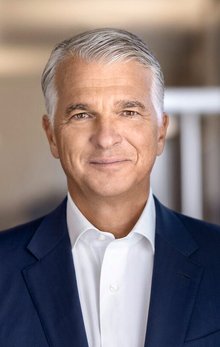
CEO: Sergio Ermotti
Core listed equity strategies integrate sustainability into blue‑chip investing. A part of global bank UBS Group, UBS Asset Management embeds ESG criteria into stock selection, prioritising companies with robust transition strategies and good governance.
Active engagement drives measurable corporate improvement across emissions and inclusion. Investing in resilient, responsible leaders, these funds redefine what “core” means in modern equity management.
7. Socially Responsible Investing (SRI)
Featured company: Triodos Investment Management
HQ: Zeist, Netherlands
CEO: Hadewych Kuiper
SRI incorporates ethics into every investment decision. Global investment giant Triodos Investment Management has built its reputation by championing fairness, sustainability and good governance across markets.
SRI portfolios exclude harmful industries while championing positive actors in agriculture, housing, and education. Once niche, SRI now represents a core philosophy for mainstream funds, blending moral clarity with credible returns.
6. Thematic & Impact Equity
Featured company: BNP Paribas Asset Management
HQ: Paris, France
CEO: Sandro Pierri

Thematic and impact equity funds actively direct capital towards measurable change. BNP Paribas Asset Management focuses on biodiversity, renewable energy and healthcare access: sectors with quantifiable alignment to the UN SDGs.
With clear impact reporting and engaged stewardship, these funds appeal to investors who expect both performance and purpose. As impact data matures, they are setting new transparency benchmarks for responsible equity investing.
5. Climate Transition & Carbon Solutions
Featured company: Tikehau Capital
HQ: Paris, France
Co-Founders: Antoine Flamarion and Mathieu Chabran
Climate transition and carbon solutions funds invest in companies enabling large-scale decarbonisation and reflect a new era where emissions reduction equals opportunity. Tikehau Capital’s strategy channels capital into carbon capture, clean mobility, and industrial innovation.
Backed by regulatory momentum and investor demand, climate transition funds are fuelling the technologies that will define tomorrow’s low‑carbon economy.
4. Sustainable Credit & Multi-Asset Fixed Income
Featured company: Schroders
HQ: London, UK
CEO: Richard Oldfield
Sustainable credit and multi‑asset fixed income provide stability while embedding ESG analysis across global debt markets.
Based in the UK, Schroders integrates sustainability into every stage of credit research, assessing issuers for climate risk and social responsibility. These portfolios allocate across green, social, and sustainability‑linked bonds, rewarding transparency and progress. Balanced returns with demonstrable impact make sustainable fixed income a core pillar of diversified, long‑term portfolios.
3. Sustainable Equity Funds & ETFs (Thematic & ESG)
Featured company: BlackRock
HQ: New York, US
CEO: Laurence D. Fink
Sustainable equity funds and ESG ETFs are redefining global investing. Global giant BlackRock leads the charge, aligning growth strategies with measurable sustainability metrics. These funds screen for leaders in decarbonisation, diversity, and innovation, linking performance with accountability.
Thematic ESG portfolios capture megatrends such as clean technology and resource efficiency. With regulation and investor awareness converging, sustainable equities now occupy mainstream allocations in institutional and retail portfolios worldwide.
2. Green Bonds
Featured company: European Investment Bank (EIB)
HQ: Luxembourg City, Luxembourg
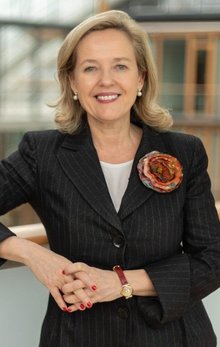
President: Nadia Calviño

The green bond market anchors sustainable debt issuance globally, providing transparency and accountability to reshape fixed‑income investing. The European Investment Bank remains its most influential issuer, financing clean transport, energy and climate adaptation across Europe. The evolution of sustainability‑linked and transition bonds extends participation across industries.
Today, green bonds serve as a universal language for credibility in sustainable finance, connecting investors directly to measurable environmental outcomes.
1. Renewable Energy Infrastructure
Featured company: Ørsted
HQ: Fredericia, Denmark
CEO: Rasmus Errboe
Renewable energy infrastructure has become the foundation of the net-zero economy, and Ørsted’s transformation from fossil fuels to offshore wind leadership symbolises the sector’s evolution.
Institutional investors favour direct stakes in wind, solar, and storage assets for predictable, inflation‑linked returns. With policy incentives expanding and technology costs declining, clean energy infrastructure attracts unprecedented capital. The sector combines financial stability with climate impact, making it a core holding for investors and governments alike.
Company portals









Executives
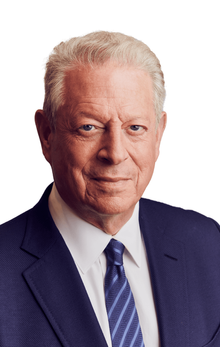
Al Gore
Chairman
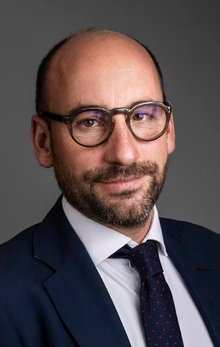
Antoine Flamarion
Co-Founder
Hadewych Kuiper
Managing Director, Member of the Management Board
Larry Fink
Chairman and Chief Executive Officer
Mark Versey
Chief Executive Officer
Mathieu Chabran
Co-Founder
Nadia Calviño
President of the European Investment Bank Group
Rasmus Errboe
CEO and Group President
Richard Oldfield
Group Chief Executive
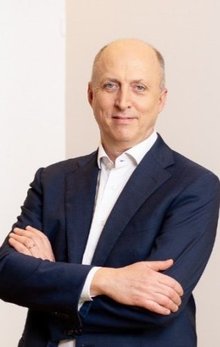
Sandro Pierri
Chief Executive Officer
Sergio P. Ermotti
Group Chief Executive Officer