Top 10: Sustainable Luxury Goods Companies
Luxury is being redefined in an era where environmental accountability and ethical sourcing are no longer optional.
Today’s leading luxury goods companies are demonstrating that craftsmanship, exclusivity and sustainability can coexist, setting new benchmarks for responsible production and innovation.
From pioneering circular design models to investing in regenerative materials and transparent supply chains, these brands are reshaping consumer expectations at the highest level of the market.
This list highlights ten luxury companies that are not only preserving heritage and quality, but actively driving progress toward a more sustainable future. Their influence extends beyond fashion and goods, proving that luxury can lead the transition to a more conscious global economy.
10. Chanel
HQ: London, UK
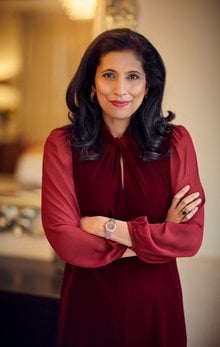
CEO: Leena Nair
Founder: Gabrielle "Coco" Chanel
Chanel combines immense brand power with a growing emphasis on sustainability, a balance that is becoming central to luxury’s future.
The house has invested in climate action, biodiversity, responsible sourcing and community initiatives, while also working to protect the craftsmanship at the heart of its identity. Its size gives it the ability to influence suppliers and standards across the sector, but it also invites close scrutiny from consumers and commentators alike.
Chanel’s challenge is to ensure that its environmental ambitions feel as enduring as its products. In a market that increasingly rewards accountability, the house is betting that prestige and responsibility can reinforce one another.
9. Armani
HQ: Milan, Italy
CEO: Giuseppe Marsocci
Founder: Giorgio Armani

Armani’s aesthetic aligns naturally with sustainability themes such as longevity, restraint and timelessness.
The company’s appeal rests on durable design rather than trend-led excess, which gives it a built-in advantage as the market rethinks overconsumption. Armani has also taken steps to strengthen environmental stewardship and responsible practices across its operations, though the privately held group is less transparent than listed peers.
Even so, the brand’s commercial identity already carries many of the principles sustainability advocates want to see in luxury: fewer, better pieces and a lighter relationship with seasonal churn.
8. Burberry
HQ: London, UK
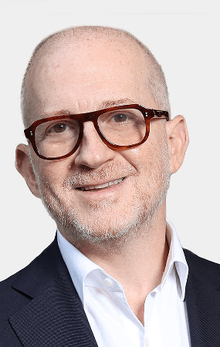
CEO: Joshua Schulman
Founder: Thomas Burberry
Burberry is one of Britain’s most recognisable luxury names, and sustainability has become central to its attempt to modernise its global identity.
The brand has focused on climate commitments, lower-impact materials and more responsible sourcing, all while trying to protect the heritage that makes it commercially distinctive.
Burberry’s challenge is classic for established luxury: how to evolve without losing the codes that define the house. Its emphasis on traceability and product longevity speaks to the wider shift in consumer expectations.
7. Prada Group
HQ: Milan, Italy
CEO: Andrea Guerra
Founders: Mario Prada and Martino Prada

Prada Group has built a sustainability narrative around design innovation, material research and a more measured approach to luxury growth.
The business has been notably active in regenerative nylon, circularity discussions and supply-chain development, placing it among the more forward-looking names in the sector. Prada’s appeal lies in its ability to combine intellectual branding with practical environmental steps, rather than treating sustainability as an add-on.
6. LVMH
HQ: Paris, France
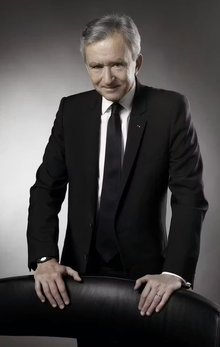
CEO: Bernard Arnault
Founder: Bernard Arnault
LVMH Moët Hennessy Louis Vuitton remains the defining giant of luxury, and with that scale comes heightened responsibility on sustainability.
The group has invested heavily in environmental programmes, responsible sourcing and the decarbonisation of operations, while also using its size to influence suppliers across the value chain.
Its house-by-house model gives it breadth, but also means sustainability must be embedded consistently across a sprawling empire of brands. That is no small task, yet LVMH has made sustainability a visible part of its corporate story.
5. Richemont
HQ: Geneva, Switzerland
CEO: Nicolas Bos
Founder: Johann Rupert

Richemont occupies a distinctive place in luxury, with jewellery and watches at its core and a sustainability profile shaped by provenance, responsible sourcing and long product lifecycles.
The group’s maisons – including Cartier, Chloé, Montblanc, Van Cleef & Arpels, Jaeger-LeCoultre, Dunhill and many more – rely heavily on craftsmanship, precious materials and heritage, which makes supply-chain transparency especially important.
“Sustainability is guided by four strategic pillars that articulate Richemont’s Sustainability Framework: Complying, Acting, Reporting and Embracing,” says Bérangère Ruchat, Chief Sustainability Officer at Richemont.
4. Hermès
HQ: Paris, France
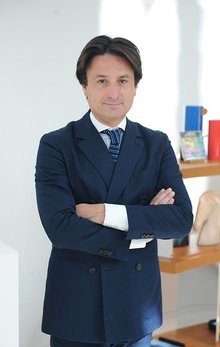
CEO: Axel Dumas
Founder: Thierry Hermès
Craftsmanship sits at the heart of Hermès, a company originally founded as a harness and saddle workshop for European noblemen.
Today, the brand behind the Birkin has become the benchmark for luxury houses that see sustainability as inseparable from craftsmanship, patience and scarcity.
The French maison’s business model is built on vertical integration, artisanal know-how and tight control over quality, which naturally supports a longer product life and less wasteful rhythm of production.
Its 2025 results underline the strength of that approach, with revenue rising and profitability staying resilient.
3. Kering
HQ: Paris, France
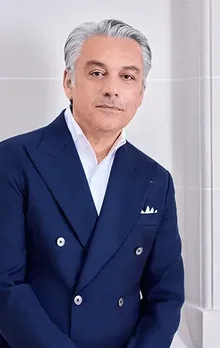
CEO: Luca de Meo
Founder: François Pinault

Founded in 1962 as a timber and building materials trader, Kering has transformed itself as a standard-bearer for modern, sustainable luxury.
The company’s sustainability ethos is built on the legacy of its previous CEO, François-Henri Pinault: “Luxury and sustainability are one and the same.”
Its portfolio of fashion houses – including Gucci, Saint Laurent, Bottega Veneta, Balenciaga, McQueen, Pomellato and more – gives it both scale and visibility, while its corporate strategy has increasingly emphasised environmental accountability, traceability and responsible sourcing.
“From the outset, our sustainability efforts have been guided by a sense of duty to be transparent, responsible, and accountable for the impacts across our entire value chain, while strengthening the long-lasting resilience of our Group’s supply chain,” says Kering CEO Luca de Meo.
2. Moncler Group
HQ: Milan, Italy
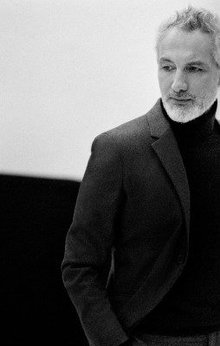
CEO: Bartolomeo Rongone
Founders: René Ramillon and André Vincent

Moncler Group, the company behind Moncler and Stone Island, has made sustainability part of a broader premium-growth narrative, pairing high-performance outerwear with an increasingly disciplined corporate agenda.
The Italian group has been investing in supply-chain oversight, product durability and brand resilience, while also pushing ahead with innovation across its portfolio.
Moncler’s sustainability messaging links to long-term value creation rather than short-term marketing. That matters in luxury, where consumers are scrutinising provenance, materials and corporate behaviour more closely than ever.
"We judge the value of our results by how we achieved them because long-term success comes from creating shared value," says Remo Ruffini, Founder and Executive Chairman of Moncler Group.
1. Stella McCartney
HQ: London, England, UK
CEO: Tom Mendenhall
Founder: Stella McCartney

Stella McCartney remains one of the clearest proof points that luxury and responsibility can share the same runway.
Founded on a cruelty-free ethos, the British house has long rejected leather and fur, while building its identity around innovation in materials, lower-impact production and design longevity.
Its progress is as much cultural as commercial – the label helped normalise sustainability as a marker of modern luxury, rather than a compromise.
“Our sustainability vision is guided by our bold values – making every action count, inspiring trust and celebrating life,” the company says. “We are change agents; we are activists.”
Activism is indeed in the company’s roots, as founder Stella was influenced by her activist mother Linda and musician father Paul McCartney.
Company portals







Executives
Andrea Guerra
CEO Prada Group
Axel Dumas
CEO
Bartolomeo Rongone
CEO
Bernard Arnault
CEO
Giuseppe Marsocci
Chief Executive Officer
Joshua Schulman
CEO
Leena Nair
CEO
Luca de Meo
CEO
Nicolas Bos
Group CEO

Stella McCartney
Founder