
ASDA: Bio-LNG Fleet Expansion for Sustainable Deliveries
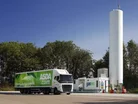
Liquefied biomethane, more commonly known as Bio-LNG, is capturing the spotlight in the field of renewable biofuels.
This eco-friendly alternative is derived from various organic waste materials like household refuse, animal manure, and sewage sludge.
Bio-LNG has been around for more than a decade but still requires developments in its manufacturing process and infrastructure.
Currently, the adoption of Bio-LNG is climbing, indicating that it's moving from a niche market into a more pronounced phase of growth.
ASDA, a leading UK grocery retailer, boasts the UK's most extensive fleet of LNG-powered trucks. Its proactive approach to decreasing ecological footprints has led to the establishment of two new Bio-LNG refuelling stations, part of its efforts to achieve net-zero operations by 2040.
ASDA’s commitment to bio-LNG and sustainability
With the unveiling of its latest Bio-LNG facilities, ASDA now operates 13 high-functioning stations across the UK.
These stations were developed with the assistance of Gasrec, a major provider of commercial vehicle fuel.
The expansion is a testament not merely to increasing numbers but to strengthening an infrastructure that supports more than 780 LNG-powered lorries — marking it as the biggest initiative of its kind in Britain.
John Rogerson, ASDA’s Central Fleet Operations Manager, says: “LNG trucks are currently the leading alternative fuel option for operators like ourselves and with over 780 LNG vehicles, we operate the largest fleet of LNG fuelled trucks in the UK.
"Our continued investment in a UK-wide LNG distribution network forms an essential part of our objective to reduce overall carbon emissions across our operations, and towards building a sustainable business for the future.”
The science and benefits behind bio-LNG
Bio-LNG is produced through anaerobic digestion, a process where organic matter is broken down to generate biogas comprised mainly of methane and carbon dioxide.
The methane is then isolated, purified and cooled into liquid form, transforming it into Bio-LNG.
This liquefaction boosts its energy density by 600 times, making it an effective fuel choice for heavy-duty transport needs.
Bio-LNG is not only a powerful alternative to conventional diesel but also boasts a series of environmental benefits.
It significantly lowers carbon dioxide emissions and reduces both the noise generated by engines and the emission of nitrogen oxides and particulates.
Bio-LNG is gaining traction especially within the heavy truck and shipping sectors.
Environmental goals and progress at ASDA
ASDA has achieved a reduction of 41% in its operational carbon emissions – encompassing both direct emissions and indirect emissions from purchased energy – since 2015.
The retailer has set a target of slashing emissions by half by 2025 and aims for net-zero operations by 2040.
James Westcott, Chief Commercial Officer at Gasrec, says: “We have forged a strong relationship with ASDA and it’s a real pleasure to be able to deliver these two latest facilities for them, as they continue to expand their growing gas fleet and invest in a cleaner and greener fuel source.”
“Bio-LNG remains a leading alternative to diesel for long-haul operations and will continue to be so for the foreseeable future."
******
Make sure you check out the latest edition of Sustainability Magazine and also sign up to our global conference series - Sustainability LIVE 2024
******
Sustainability Magazine is a BizClik brand
******