Astrazeneca & Future Biogas: Bioenergy To Power Life Science
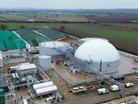
Pharmaceutical giant AstraZeneca and renewable energy leader Future Biogas have successfully brought online the UK's first unsubsidised biomethane plant dedicated to fuelling the life sciences sector.
This innovative facility, located in Gonerby Moor, Lincolnshire, marks a significant milestone in the pursuit of renewable energy solutions for the pharmaceutical industry.
The Moor Bioenergy plant is set to supply 100 gigawatt hours (GWh) of renewable energy annually to AstraZeneca's UK operations. This output is equivalent to 20% of the company's total global gas consumption and will effectively displace approximately 18,000 tonnes of carbon dioxide equivalent (CO₂e) emissions per year that would otherwise result from fossil gas usage.
Powering sustainable pharmaceutical production
The new facility will operate around the clock, generating enough biomethane to meet the heating requirements of over 8,000 homes annually.
More importantly, it will provide clean heat for all of AstraZeneca's research and development and manufacturing activities in the UK, supporting the sustainable production of medicines.
“We are committed to climate action and innovation in sustainability to decarbonise healthcare,” says Liz Chatwin, VP, Global Sustainability and SHE at AstraZeneca.
“By investing in unsubsidised biomethane capacity, we’re proud to contribute to reducing carbon emissions while strengthening the UK’s renewable energy infrastructure.”
The Moor Bioenergy plant goes beyond just producing renewable energy.
It incorporates innovative carbon capture technology that collects the carbon dioxide produced during biomethane generation.
This captured CO₂ can be repurposed in other industries or, in the long term, permanently stored underground, effectively creating a carbon removal process from the atmosphere.
Supporting sustainable agriculture
The plant's operation also brings benefits to the local agricultural community.
Crops supplied to Moor Bioenergy will be sourced within a 15-mile radius, with local farmers receiving support to implement sustainable farming practices. Five-year feedstock contracts will provide farmers with greater financial security, helping them navigate the challenges posed by fluctuating food crop prices and climate change.
To ensure the highest standards of sustainability, all feedstock will be certified by the International Sustainability and Carbon Certification (ISCC), an independent body that verifies the traceability of crops and their adherence to strict social and environmental criteria.
A blueprint for industrial decarbonisation
"With the launch of Moor Bioenergy – the UK’s first unsubsidised biomethane facility in partnership with AstraZeneca – we are proving that innovation and bold vision can drive real change” says Philipp Lukas, CEO of Future Biogas.
“This project is not only about generating clean, renewable gas, it’s a powerful call to all companies to decarbonise industrial gas and heat use."
The partnership between AstraZeneca and Future Biogas represents a significant step towards the pharmaceutical giant's ambitious sustainability goals.
It aligns with AstraZeneca's Ambition Zero Carbon initiative, which aims to use 100% renewable energy for its own operations by the end of 2025 and achieve science-based net zero emissions by 2045.
The science behind biomethane
Biomethane is produced through a process of anaerobic digestion, where microorganisms break down organic matter in sealed tanks without oxygen.
The resulting biogas is then purified by removing CO₂, giving it properties equivalent to natural gas from fossil fuels. This allows the biomethane to be injected directly into the national gas grid.
The bioenergy crops grown for Future Biogas play a crucial role in carbon sequestration, absorbing atmospheric CO₂ during their growth. After harvesting, these crops are fed into anaerobic digestion tanks, where bacteria break down the organic matter, releasing biogas.
The residue, known as digestate, serves as an organic fertilizer, further contributing to sustainable farming practices and soil carbon capture.
A model for future sustainability
The successful launch of the Moor Bioenergy plant sets a new standard for sustainable energy solutions in the pharmaceutical industry. As the first company in the UK to commit to using biomethane at scale for the discovery, development, and manufacture of medicines, AstraZeneca is paving the way for others to follow.
The project not only demonstrates the feasibility of unsubsidised biomethane production but also showcases how innovative partnerships between industry leaders can drive significant progress towards a more sustainable future.
Explore the latest edition of Sustainability Magazine and be part of the conversation at our global conference series, Sustainability LIVE.
Discover all our upcoming events and secure your tickets today.
Sustainability Magazine is a BizClik brand