Why Nissan is Pushing Green Steel in Japan and Worldwide
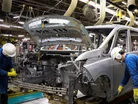
Nissan has announced it will expand its use of green steel in Japan, reinforcing its commitments to sustainability.
Thanks to this development, the use of low-CO₂-emission steel in Nissan's Japanese operations is anticipated to increase fivefold compared to 2023.
This initiative aligns with Nissan Ambition 2030, the manufacturer's goal of reducing CO₂ emissions by 30% across the entire product life cycle by 2030 and achieving carbon neutrality by 2050.
Collaborating with Nippon Steel Corporation and POSCO, Nissan has been taking a proactive approach to decarbonisation that addresses both material procurement and the wider manufacturing process since 2023.
Why green steel is a game changer for the automotive sector
Green steel, when properly pursued and scaled, has the potential to be a sustainability game changer for a host of industries dependant on steel.
This is especially true for the automotive sector, where steel is the most dominant material and makes up to 65% of the average vehicle.

Traditional steel production relies heavily on coal-based blast furnaces, making it one of the most carbon-intensive industries.
The steel industry currently produces 7% of human greenhouse gas emissions, more than Russia or the entire European Union.
Green steel, produced using hydrogen or renewable electricity rather than carbon, significantly cuts these emissions whilst providing the strength and durability required for modern cars.
This enables automotive manufacturers to decarbonise supply chains without compromising on product quality or performance.
A shift to green steel not only enhances sustainability credentials but also future-proofs manufacturers against carbon taxes and regulatory pressures.
As sustainability grows in financial, ethical and regulatory importance, green steel may be essential for automotive manufacturers seeking to align profit with progress.
Why sustainability is core to Nissan's strategy
Nissan took its first steps towards green steel adoption in 2023 by incorporating Kobenable Steel from Kobe Steel in its Japanese market vehicles.
To further its efforts, Nissan will now use additional low-CO₂-emission steel products, including Nippon Steel Corporation’s NSCarbolex Neutral, JFE Steel Corporation’s JGreeX and POSCO’s carbon reduction allocated steel.
This is a key part of Nissan's global strategy to create a better future for society, going beyond business growth to create unique value.
"I am proud to welcome you to Nissan Ambition 2030, our long-term vision for empowering mobility and beyond," said Nissan President & CEO Makota Uchida in a statement on Nissan's website.
"We have launched this new vision because the time is right for Nissan to change gears from focusing on business transformation to realizing a better future for society.
"We are taking this opportunity to clearly articulate how our innovations create unique value by empowering journeys through more confident, exciting and integrated experiences and empower society by creating a smart ecosystem with integrated mobility.
"Leveraging our decades of innovation, we will further advance our efforts to democratise electrification and achieve carbon neutrality through an innovative and comprehensive approach."
Explore the latest edition of Sustainability Magazine and be part of the conversation at our global conference series, Sustainability LIVE.
Discover all our upcoming events and secure your tickets today.
Sustainability Magazine is a BizClik brand