Red Sea Global: Saudi Arabia’s First Ever SAF
Red Sea Global has introduced Sustainable Aviation Fuel (SAF) to Saudi Arabia for the first time.
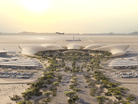
Thanks to Red Sea Global’s deal, airlines refuelling at the Red Sea International Airport now have the option of using SAF.
The SAF being used is a blend of 35% sustainable fuel and 65% standard Jet A1 aviation fuel, in line with international standards set by the International Civil Aviation Organization (ICAO) and the International Air Transport Association (IATA).
This fuel mixture is expected to reduce direct aircraft emissions by up to 35%, offering a substantial environmental benefit.
“Travel is a way to bridge cultures, broaden horizons and regenerate the mind, body and soul,” says John Pagano, Group CEO of Red Sea Global.
“But travel has a cost, especially for our planet.
“That is why we promised to transform the industry, moving it towards a sustainable, regenerative future.
“By bringing Sustainable Aviation Fuel into the Kingdom, we are dramatically reducing our guests’ personal carbon footprint from the moment they arrive and even after they leave.
“More than this, we’re supporting the wider aviation sector to start making choices that are better for the environment.”
About Red Sea Global
Red Sea Global was launched by the Saudi Public Investment Fund in 2017 as The Red Sea Development Company.
It is one of five Saudi Vision 2030 “megaprojects”, aiming to increase diversification economically, socially and culturally in the country.
It has luxury regenerative tourism destinations The Red Sea, the Thuwal Private Retreat and AMAALA, which is on track to open in 2025.

Red Sea Global also has a subsidiary air operator, Fly Red Sea, that provides seaplane transfer, charter and scenic tours across its destinations.
Fly Red Sea will also exclusively refuel its fleet with more sustainable fuels, such as SAF and lower-carbon aviation fuels.
Michael White, Chief Commercial Officer at the Red Sea International Airport, says: “Introducing sustainable aviation fuel at Red Sea International Airport marks a significant milestone in our commitment to environmental stewardship and sustainability.
“This groundbreaking initiative not only reduces carbon emissions but also aligns with our broader mission to protect The Red Sea's unique and fragile ecosystem.”
What is The Red Sea?
The Red Sea has five resorts currently in operation, which will reach 16 across three islands and two inland sites by the end of its first phase.
By 2030, the destination will have 50 hotels with 8,000 rooms and more than 1,000 residential properties across 22 islands and six inland sites.
To preserve the local ecosystem, development has been limited to accommodate no more than one million visitors per year.
The use of SAF will play a crucial role in maintaining the project's commitment to sustainability.
The success of this initiative could serve as a model for other airports and tourism developments in the region and beyond.
Red Sea Global’s sustainability strategy
Red Sea Global's introduction of SAF is part of a broader sustainability strategy that extends beyond aviation:
- Solar power: The company has deployed more than 400MWp of solar panels in The Red Sea area, which is projected to avoid up to 600,000 tCO₂eq annually when fully operational.
- Mangrove restoration: In collaboration with the National Centre for Vegetation Cover, RSG aims to increase mangrove density by 50 million by 2030, enhancing carbon sequestration and biodiversity.
- Conservation: Less than 1% of the total Red Sea site area is being developed and 75% of the destination’s islands are being preserved for conservation. It aims to achieve a 30% net positive conservation benefit by 2040.
Explore the latest edition of Sustainability Magazine and be part of the conversation at our global conference series, Sustainability LIVE.
Discover all our upcoming events and secure your tickets today.
Sustainability Magazine is a BizClik brand