SAP: The Business Costs of Plastic Pollution and Regulations
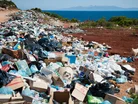
A report from SAP and Earth Action warns that corporate inaction on plastic pollution poses a significant risk to profits, with plastic liabilities likely to exceed US$20bn globally by 2030.
The "Shift into Gear" report urges global industry to prepare for incoming plastic legislation to protect both profits and the planet.
Delphine Garin, Manager for Circular Finance and Data at the World Business Council for Sustainable Development (WBCSD), says: "Effective plastic footprint management is no longer just about sustainability—it's just smart business.
“As regulations tighten and consumer expectations evolve, companies face mounting financial and reputational risks. By equipping companies with the tools and insights to navigate complex plastic regulations, we can not only advance industry leadership but also drive systemic change.
“As a business community, we can create a global landscape where sustainability and profitability go hand in hand, ensuring long-term value for companies, society, and the environment alike. This is the inevitable direction of travel, and forward-thinking companies are already positioning themselves to benefit."
The risks of plastic management
The report shows both acute and chronic risks to businesses failing to scale plastic data management.
Acute risks include industrial disasters, while chronic risks stem from long-term environmental and health damage.
Transition risks encompass regulatory changes, market shifts and rising R&D expenses.
Companies also face reputational damage from increased awareness of plastic pollution and potential liability exposure.
To mitigate these risks, SAP and Earth Action recommend early disclosure of plastic usage.
Regulations on plastics
Extended Producer Responsibility (EPR) schemes have proliferated globally, with programmes proposed or implemented in more than 90 countries, states and provinces.
The report cites a case study where a multinational consumer company operating in 188 countries could face 63 varying EPR schemes.
Despite the collapse of negotiations for a UN Plastic Treaty in 2024, additional rounds are expected to be announced in 2025.
Sarah Perreard, Co-CEO at Earth Action, says: “An ambitious UN Global Plastics Treaty is both a foundation for change in tackling the plastic crisis and a vehicle to streamline global corporate action.
“But with a Treaty or without a Treaty, corporations will be unable to erase their plastic footprint and avoid regulation.
“Inaction is no longer an option. Businesses that act now will be better positioned to thrive in the certain future where plastic management, transparency and accountability are the norm."
Regardless of the treaty's outcome, the report shows that regulation is increasing around the world, posing risks to businesses who don’t get ahead.
‘Green taxation’, such as EPR or plastic taxes, can represent an estimated 0.5% to 1% of final product revenue, potentially amounting to millions for big businesses.

How technology can address the problem of plastics
To address the complexities of managing differing global regulations, the report suggests leveraging technology.
Data management systems, such as SAP's Responsible Design and Production (RDP), can help build a comprehensive picture of global plastic material flows.
These platforms enable the aggregation and translation of plastic and materiality data, meeting EPR requirements, calculating plastic taxes and identifying potential improvements for enhanced recyclability.
As a result, businesses could save millions in costs associated with administration and regulatory compliance.
Stephen Jamieson, Head of Sustainability Product Marketing at SAP, says: “Plastic data management has now become a business imperative.
“Companies that fail to adapt risk significant financial liabilities, while those that embrace digital solutions can gain a competitive edge.”
“SAP is committed to empowering businesses with the technology needed to navigate the evolving regulatory landscape and turn sustainability into an opportunity for growth as well as empowering businesses to future-proof their operations.”
Explore the latest edition of Sustainability Magazine and be part of the conversation at our global conference series, Sustainability LIVE.
Discover all our upcoming events and secure your tickets today.
Sustainability Magazine is a BizClik brand