Electra: Can Clean Iron Tech Decarbonise The Steel Sector?
As global steel demand continues to rise, fuelled by data centres and electric vehicles, its production remains one of the most carbon-heavy industrial processes. Traditional methods rely on coal-fired blast furnaces, contributing to roughly 9% of global greenhouse gas emissions.
A Colorado-based startup, Electra, is developing a cleaner alternative and has brought on partners including Meta, Nucor, and Toyota Tsusho America as it moves towards commercialisation.

Electra is set to build a new demonstration plant in Colorado, which could start producing clean iron by mid-2026. This facility is a key step in commercialising Electra’s “electrowinning” technology.
This electrochemical process, powered by renewable energy, substitutes fossil-fuelled blast furnaces with a low-temperature, low-emission method. Operating at a temperature similar to a cup of coffee, the process could remove the need for coal.
Scaling clean iron for digital infrastructure
Steel is a fundamental component in almost every industrial sector, from construction and automotive to the racks, cooling systems, and structural frameworks inside hyperscale data centres.
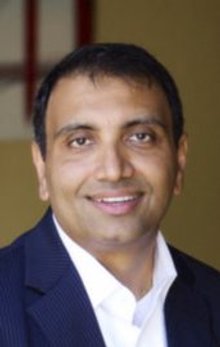
"We started Electra to fundamentally reinvent the way the world makes iron and tackle one of the biggest sources of industrial emissions, but we’ve always known we could not do it alone,” says Sandeep Nijhawan, Co-Founder and CEO of Electra.
He adds: “With binding commitments and support from strategic partners, we are proving that pure iron can be made resourcefully and scaled quickly to meet global demand.
“We’re excited to see Electra’s demonstration facility become a reality, marking an important milestone in our partnership and in the journey to decarbonise the steel supply chain"
The 130,000-square-foot demonstration facility is supported by substantial public and private investment, including a US$50m grant from the Breakthrough Energy Catalyst programme.
The site will have the capacity to produce up to 500 metric tonnes of iron annually. While a fraction of global output, the facility will serve to prove the technology’s viability and scalability for industrial use cases like data centre construction.
Strategic partnerships fostering low-carbon materials
Electra’s partners include Nucor, the largest steel producer in the US, which has committed to buying clean iron from the new facility for its electric arc furnaces.
Toyota Tsusho America will also buy and distribute Electra’s iron to steelmakers that supply the automotive sector. Germany’s Interfer Edelstahl Group plans to use it in its speciality steel operations.
Al Behr, Executive Vice President of Raw Materials at Nucor, said the commitment demonstrates Nucor’s belief in the clean iron technology and its dedication to accelerating sustainable steelmaking
He added that the facility marks an important milestone in the journey to decarbonise the steel supply chain.
Instead of buying the iron directly, Meta has signed an agreement to acquire environmental attribute certificates from Electra.
These certificates will let Meta claim the emissions reductions from Electra’s clean iron production towards its own sustainability goals.
This offtake agreement helps demonstrate "a pathway for these innovative materials to scale," says John DeAngelis, Head of Clean Technology Innovation at Meta.
Reinventing ironmaking without hydrogen
While much of the industry’s decarbonisation strategy has centred on green hydrogen, Electra’s approach does not use it. Instead, the process dissolves iron ore into a water-based solution and then uses electricity to deposit pure iron onto sheets.
This method enables the use of lower-grade ores that would otherwise be uneconomical and allows operations to adapt to renewable energy availability.
The technology’s capacity to run on intermittent renewable power is relevant for data centre operators like Meta that are seeking to reduce the embedded carbon footprint of their infrastructure.
Electra sources 100% renewable energy for its pilot operations and intends to do the same for the new Jefferson County facility.
Founded in 2020, Electra is now preparing for its next phase of growth. Electra is scouting locations for its first commercial-scale manufacturing site, which is targeted to start operations by 2029.
Sandeep Nijhawan notes that while the green steel transition "looks a lot more difficult today," he believes the solutions are in hand.
"It’s a matter of scaling to improve those economics as fast as we can,” he adds.
For the data centre sector, where sustainability targets are central to investment, Electra’s partnership with Meta could signal a broader move towards clean materials and renewable-powered manufacturing.



Executives
John DeAngelis
Head of Clean Technology Innovation
Sandeep Nijhawan
CEO and Co-founder