Deutsche Telekom: Leading in Cybersecurity and Circularity
Deutsche Telekom has sustainability as a core strategic priority, with climate neutrality along the entire value chain targeted by 2040.
The company has already achieved net zero emissions in its own operations (Scope 1 and 2) ahead of schedule, thanks to energy efficiency upgrades and the electrification of its vehicle fleet.
By integrating renewable energy, advanced network technologies and AI-driven energy optimisation, such as in 5G tower operations, Deutsche Telekom is positioning itself as a leader in climate-conscious connectivity.

Circular economy and responsible resources
Deutsche Telekom is committed to creating a nearly fully circular value chain in Germany and Europe by 2030.
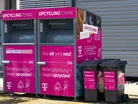
This includes ensuring all electronic waste is properly recycled or reused, having already achieved “zero ICT waste to landfill” and adopting plastic-free packaging for all new terminal equipment and smartphones.
Circularity actions extend to refurbishing devices, increasing the proportion of recycled materials in network technology and extending product lifecycles.
By designing products for durability, reusing components and optimising energy efficiency during the use phase, the company is reducing its carbon footprint while helping to conserving vital natural resources.
Creating a green value chain
Sustainability at Deutsche Telekom extends across its entire supply chain.
Scope 3 emissions are reduced through supplier collaboration, sustainable procurement and energy-efficient product design.
The company’s Group-wide task force coordinates emission reduction initiatives across segments, optimising logistics, promoting refurbishment and ensuring materials are sourced responsibly.
By embedding sustainability requirements into supplier contracts and enhancing transparency on GHG emissions, Deutsche Telekom aims to ensure that environmental responsibility is shared across its value chain, creating lasting benefits for both society and the business.
Strengthening cybersecurity
As digitalisation accelerates, cybersecurity becomes a critical dimension of sustainability, protecting both society and infrastructure.
Deutsche Telekom has developed a holistic Group Security Strategy covering six key areas:
- People
- Geopolitics
- Crime
- Regulation
- Technology
- Environment.
The strategy, aligned with ISO 27001 standards, ensures that data, systems and networks are safeguarded against threats ranging from cyberattacks to fake news and power outages.
“Deutsche Telekom stands for reliability when it counts most,” says Timotheus Höttges, CEO, Deutsche Telekom AG in a press conference about the company’s 2025 financial year.
“And that means: reliable investments. In artificial intelligence and data centers. In cybersecurity and resilience.
“Across the Group as a whole, we invested almost €17bn (US$19.7bn) in 2025, with €5.9bn (US$6.8) in Germany alone.
“Again, more than any competitor.
"And more than in the previous year.
"We launched more than 500 AI and data projects.”
Continuous monitoring, employee training and advanced technological controls allow the company to manage risks proactively, enabling secure, resilient digital services while supporting sustainable digital participation for millions of people.
Climate targets and energy management
Deutsche Telekom’s climate strategy focuses on reducing emissions across Scopes 1, 2 and 3.
By 2030, the company aims to cut CO₂e emissions by 55% from a 2020 baseline, with the ultimate goal of full value chain net zero by 2040.
Renewable energy use is a key lever, with the company sourcing more than 90% of its total electricity from renewable sources and achieving a market-based Scope 2 target as early as 2021.
Data centres are optimised for energy efficiency, reflected in a global average Power Usage Effectiveness (PUE) of 1.53 in 2025, down from 1.56 the previous year.
Additional measures include electrifying vehicles, modernising buildings and offsetting unavoidable emissions through high-quality carbon removal projects.
Deutsche Telekom actively manages climate-related physical and transition risks, such as extreme weather events, heat stress and energy price volatility.
Network infrastructure is designed for resilience, with emergency power systems, mobile generators and crisis management plans in place.
A continuous scenario analysis ensures preparedness for climate impacts, while energy efficiency improvements and renewable energy procurement reduce transition risks.