Everything You Need to Know About the EU's First Soil Law
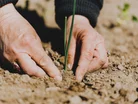
The European Union has formally adopted its first-ever legislation dedicated to soil health – a watershed moment in environmental policy, not just for the bloc but the world.
The European Parliament sealed the deal on 23 October 2025 with 341 MEPs supporting the legislation, concluding months of intense negotiations and lobbying.
The soil monitoring directive establishes an EU-wide framework for assessing soil health, with an aspirational goal of achieving healthy soils across Europe by 2050.
This kind of regulation has been a long time coming. A previous proposal for an EU soil framework directive was blocked for eight years by several member states, before being withdrawn from the negotiating table in 2014.

Why the law was needed
More than 60% of European soils are unhealthy according to estimates from the Soil Mission board, with research showing continued degradation across the continent’s arable lands.
In the EU alone, soil degradation costs more than US$54bn per year in poor crop yields, the loss of environmental services and impacts on human health.
It’s a problem that has been exacerbated year on year by unsustainable land management, contamination and overexploitation, as well as the worsening effects of climate change and extreme weather events.
While several pieces of EU legislation already touch on soil protection, soil has historically lacked the dedicated legislative framework that exists for things like water, air and the marine environment.
As such, the EU is beginning to treat soil with the same urgency as other environmental priorities.
The journey from strategy to soil law
The European Commission adopted a new EU soil strategy in November 2021 as part of its biodiversity strategy for 2030.
The strategy identified the lack of dedicated EU legislation as a major cause of soil degradation, prompting the Commission to propose the soil monitoring law in July 2023.
Trilogue negotiations concluded on 10 April 2025, with the Council formally approving the provisional agreement at the end of September.
"While much more will be needed to actually restore our soils, today policy makers took a first historical step to acknowledge the common ground: there is no future without healthy, living soils,” says Kristine De Schamphelaere, Policy Officer for Agriculture at PAN Europe.
What the directive covers
The new rules will help improve soil resilience, ensure better management of contaminated sites and introduce land-take mitigation principles.
The framework focuses a great deal on soil sealing – the covering of soil with impermeable material like concrete or asphalt – and soil removal during construction projects.
Under the directive, EU member states will set up monitoring systems to assess the physical, chemical and biological condition of their soils based on one common EU methodology, keeping things standardised.
Governments will then regularly report to the Commission and the European Environment Agency on the state of their country’s soil health, land take and contaminated sites, ensuring that data is comparable right across the bloc.
The EU is also taking steps to ensure that contaminants like pesticides and microplastics are monitored and mitigated wherever possible.
Nevertheless, the law has been criticised for lacking the kind of robust provisions that other directives have, especially when it comes to areas like soil management and regeneration.
"It is reassuring that a majority of MEPs resisted populism and disinformation, and stood up for Europe's soils today,” says Caroline Heinzel, Policy Officer for Nature at the European Environmental Bureau.
“While the law is not as strong as it should be, it's a first step in the right direction and a reminder that progress is still possible."
What kind of benefits could the EU soil law bring?
Healthy soils are crucial to reaching the EU's climate neutrality goals and contribute to stopping desertification and land degradation whilst preserving biodiversity and human health.
The directive will enhance the availability and comparability of key soil health data across Europe, providing a foundation for coordinated action against soil degradation.
Improved advice and support to landowners and land managers should facilitate better soil management practices.
The requirement for member states to clean up contaminated sites addresses a longstanding environmental challenge.
"Healthy soils are essential to all life on Earth, so it's good to see the EU finally legislating to protect this long-neglected, vital resource,” explains Martina Forbicini, Programme Officer on Soil Health at the Environmental Coalition on Standards.
“The law could have been more ambitious, but it will remain a crucial tool to harmonise soil data collection and monitoring in the EU."
What companies need to know
Member states will have three years after the directive enters into force to transpose the new rules into national law.
The European Parliament is expected to hold its final vote in the coming weeks before the law officially enters into force.
Businesses operating in sectors that impact soil health – including agriculture, construction and manufacturing – should prepare for enhanced monitoring and reporting requirements.
The Commission will assist member states by developing common tools and methodologies and facilitating the exchange of best practices.
Unlike other sustainability targets, like net zero, the 2050 targets for soil health are merely aspirational rather than legally binding. Nevertheless, the EU is encouraging its member states to go the extra mile.
“Nature is the farmers' livelihood,” explains Ursula von der Leyen, President of the European Commission.
“Their entire life depends on healthy soils, clean waters and on vital work of pollinators. Farmers know it better than anyone else.”
Company portals


Executives
Caroline Heinzel
Policy Officer for Soil

Kristine de Schamphelaere
Policy Officer for Agriculture at PAN Europe
Martina Forbicini
Programme Officer on Soil Health
Ursula von der Leyen
President