
Extreme H & FIA: Hydrogen Powered Motorsport in Saudi Arabia

Hydrogen-powered racing returns to Saudi Arabia in 2026 as The Fédération Internationale de l'Automobile (FIA) Extreme H World Cup demonstrates clean energy technology in demanding motorsport conditions.
A hydrogen-powered motorsport series will return to Saudi Arabia in October 2026 after completing its first event in 2025.
The FIA Extreme H World Cup features cars with hydrogen fuel cell propulsion technology.
The second instalment will take place at Qiddiya City from 29 to 31 October 2026. Extreme H and the FIA confirmed the dates for the event.

Clean energy propulsion systems
The race series uses the Pioneer 25, a vehicle weighing 2,200 kg equipped with a hydrogen fuel cell system.
According to Extreme H, this represents the first use of such technology in motorsport competition.
Alejandro Agag, Founder and Chairman of Extreme H, says: "The inaugural FIA Extreme H World Cup was proof that we could combine the raw ferocity of world-class motorsport with a future powered by clean energy."
He adds: "This second chapter, together with the FIA, our partners and the support of our host Qiddiya City, is about accelerating that vision as we continue to redefine the limits of what's possible, for our pioneering technologies and our boundary-breaking drivers."
The competition format combines Time Trials with Head-to-Head elimination rounds.
The series concludes with an eight-car World Cup Final.
Sustainability leaders won’t want to miss Sustainability LIVE: The Leadership Summit at London Climate Action Week, taking place at Code Node on 25 June 2026.
Register now for this exclusive invite-only event.
Testing hydrogen fuel technology
The FIA says the event provides a platform for testing hydrogen systems under demanding conditions.
Mohammed Ben Sulayem, President of the FIA, says: "The return of the FIA Extreme H World Cup for its second edition marks another important step in the development of hydrogen-powered motorsport."
He continues: "This competition provides an important platform to test hydrogen fuel cell technology in a demanding, high-performance environment, while supporting the FIA's wider commitment to innovation, sustainability and safety."
The organisation also notes the series features male and female drivers competing together.
Mohammed Ben Sulayem says: "Equally, its sporting format remains an important part of its identity, with male and female drivers competing together for the same honours. This reflects the FIA's continued ambition to support competitions that explore new technologies while promoting greater opportunity and inclusion across motorsport."
The 2025 event saw Kevin Hansen and Molly Taylor win for Jameel Motorsport.
The pair will defend their title in 2026 against an international field.
Demanding track conditions
Molly Taylor, Winner of the Inaugural World Cup alongside teammate Kevin Hansen, representing Jameel Motorsport, said of the last race: "There were so many unknowns going into the first Extreme H round, the track itself put big demands on the car, and despite its huge size and weight, it felt even more like a race car. It's a very raw motorsport!"
According to the organisers, the 2025 final was decided by a margin of 0.082 seconds.
The FIA and Extreme H will confirm competing teams and driver pairings in the coming months.
Eng. Mansour Bin Ali Al-Mokbel, CEO of Saudi Motorsport Company, commented on the second instalment of Extreme H: "The return of Extreme H to Qiddiya City reflects Saudi Arabia's growing role in shaping the future of global motorsport."
He adds: "This next chapter reflects a shared vision between Saudi Motorsport Company and Extreme H to advance clean energy innovation, sustainable mobility and next-generation racing. As a cornerstone of this vision, Qiddiya City provides a unique environment where technology, competition and fan experience come together at scale."
The series demonstrates how hydrogen fuel cell systems could operate in high-performance motorsport environments.
The technology being tested could inform wider applications in transport and mobility sectors.
Company portals

Executives
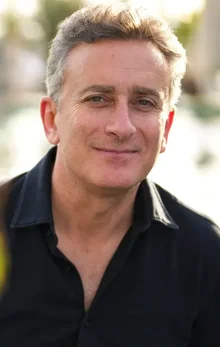
Alejandro Agag
Founder and Chairman of Extreme H
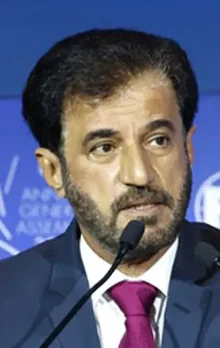
Mohammed Ben Sulayem
President