
The FIA Officiates JCB's Hydrogen Combustion Vehicle Record
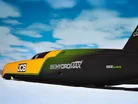
British manufacturer JCB will attempt to set a new hydrogen land speed record on the Bonneville Salt Flats in Utah.
The Fédération Internationale de l'Automobile (FIA) has confirmed it will officiate the attempt.
The company plans to use hydrogen internal combustion engine technology in its newly developed JCB Hydromax vehicle.
According to JCB, this could demonstrate the viability of hydrogen as a zero-carbon alternative fuel for heavy machinery and transport.

Returning to Bonneville
JCB last competed at Bonneville 20 years ago. In August 2006, its Dieselmax car set the FIA world diesel land speed record of 350.092mph.
Wing Commander Andy Green OBE drove the Dieselmax vehicle. Andy is the only person to have broken the sound barrier on land.
He will drive the 32-foot JCB Hydromax. The vehicle uses two production-based JCB hydrogen combustion engines.
The engines produce a combined 1,600 bhp. JCB has invested £100m (US$131m) in hydrogen internal combustion engine technology over five years.
How hydrogen combustion works
Hydrogen combustion vehicles inject hydrogen gas into the engine's combustion chamber. The hydrogen ignites in a process similar to how petrol ignites in traditional combustion engines.
Hydrogen combines with oxygen from the air. This generates energy to power the vehicle.
According to JCB, the process emits only water vapour as a by-product. The company states that hydrogen engines produce the same torque, power and efficiency as their diesel counterpart.
This could mean machines provide the same levels of performance with none of the carbon dioxide emissions. However, hydrogen combustion is less efficient than hydrogen fuel cells.
Combustion efficiency ranges from 20% to 30%. Fuel cells can achieve 40% to 60% efficiency.
Sustainability leaders won’t want to miss Sustainability LIVE: The Leadership Summit at London Climate Action Week, taking place at Code Node on 25 June 2026.
Register now for this exclusive invite-only event.
Hydrogen fuel cells produce electricity rather than mechanical power. Boosting interest in hydrogen as a fuel could support the development of infrastructure for hydrogen fuel cell vehicles.
Engineering and emissions goals
JCB Chairman Lord Anthony Bamford says: "Britain has a proud heritage of setting speed records and, as a British company, I'm excited to challenge for a new one using hydrogen."
Anthony adds: "This is not just about speed, it's about showcasing the world-class engineering talent we have here in the UK and the robustness of our new hydrogen engines."
He explains the thinking behind the project. Anthony says: "JCB Dieselmax was always a bit of an outrageous idea, but it proved a point. Putting an advanced engine into a land-speed car showed the world what it could do in a way a digger never could."
He continues: "It's the same thinking with hydrogen today. If you're serious about emissions, you have to be serious about hydrogen and a land-speed project is the perfect way to prove it."
Testing and record attempt
The team will begin testing in the UK before travelling to Bonneville SpeedWeek. This is the world's leading land speed racing event.
Competitors from around the world gather at the Salt Flats to pursue speed records. The team will remain at Bonneville to pursue officially recognised world records under FIA regulations.
His Excellency Mohammed Ben Sulayem, President of the FIA, says: "This world record attempt represents the pinnacle of human achievement on land and has the potential to redefine what is possible in motorsport and automotive technology."
Mohammed adds: "This is a historic moment for speed, technology and innovation.
JCB's return to the Bonneville Salt Flats for the hydrogen-powered land speed record attempt is a defining chapter."
He continues: "It is an effort that pushes the boundaries of aerodynamics, engineering excellence and human bravery, while showcasing what is possible when ambition and innovation come together."
Mohammed notes the FIA's history with such attempts.
He says: "From Bluebird to ThrustSSC and the new JCB Hydromax, the FIA has a proud history of certifying these historic moments."
He concludes: "These vehicles inspire the innovators, scientists and engineers of tomorrow. This hydrogen-powered vehicle will not just attempt to break a world record, but it will shape the future of high-speed sustainable motoring altogether."
Company portals

Executives
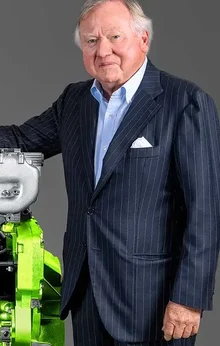
Lord Anthony Bamford
JCB Chairman

Mohammed Ben Sulayem
President