
Ferrero & Chester Zoo: Can Palm Oil be Sustainable?
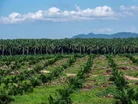
Sustainable palm oil is a way of producing palm oil that ensures minimal impact on the environment of the regions it’s grown in.
Palm oil itself isn’t necessarily a negative oil, however the unsustainable production of palm oil is one of the biggest threats to the forests and wildlife of areas where it’s grown like Borneo and Sumatra according to Chester Zoo.
There are various definitions of sustainable palm oil, however as a standard, this refers to palm oil that has been produced with the lowest environmental impact possible.
This includes minimising impact to wildlife and adhering to high standards of human rights.
Cat Barton, Policy Lead for Science at Chester Zoo, leads in deforestation-free commodities work.
She oversees field projects and research in Malaysia, Indonesia and Brazil, addressing land-use change associated with key forest risk commodities including palm oil and soy.
Her work drives sector change in both producer and consumer countries, working with stakeholders from local communities to governments, certification schemes and manufacturers.
She also holds multiple roles within The British and Irish Association of Zoos and Aquariums (BIAZA), European Association of Zoos and Aquaria (EAZA) and World Association of Zoos and Aquariums (WAZA) on conservation and sustainability and leads her team on global advocacy campaigns.
Partnering with Chester Zoo is Ferrero UK, collaborating in the fight against deforestation and for sustainable palm oil production.
Charlie Cayton, Director of Communications and Corporate Affairs for Ferrero UK & Ireland, helps to ensure sustainable palm oil thrives.
Ferrero is a global sweet packaged foods company and the fourth largest confectionery manufacturer in the UK, producing much loved products such as Nutella, Kinder, Tic Tac and Ferrero Rocher.
Part of Charlie’s role is to oversee corporate social responsibility programmes and she says she is incredibly proud to have been working closely with Chester Zoo over the years to help dispel the myths and misperceptions surrounding palm oil and to raise awareness on the importance of choosing sustainable palm oil.
Cat and Charlie shared their expertise with Sustainability Magazine.
What is sustainable palm oil (SPO)?
Charlie: Sustainable palm oil is a way of producing palm oil that ensures minimal impact on the environment of the region its grown in.
This involves protecting forests and biodiversity, respecting land rights and labour conditions, ensuring traceability and meeting certification standards like those set by the Roundtable on Sustainable Palm Oil (RSPO).
At Ferrero, we’re committed to sourcing RSPO-certified segregated palm oil that’s fully traceable to individual plantations.
We also use satellite monitoring technology to verify these standards are maintained, creating transparency and accountability that extends from plantation to product.
Cat: The key lies in transforming palm oil from an environmental challenge into part of the solution.
Through sustainable practices, we can ensure palm oil production actually helps protect and enhance ecosystems rather than degrading them further.
When sourced sustainably, palm oil benefits biodiversity more than other vegetable oils, helping protect, conserve and enhance ecosystems.
How can SPO support biodiversity?
Cat: Palm oil’s efficiency is remarkable, it yields up to 10 times more oil per hectare than alternatives like sunflower, soy or rapeseed.
This efficiency translates directly into biodiversity benefits, as less agricultural land and resources are required to meet global demand, preserving more natural habitat.
Working on sustainable palm oil solutions in Indonesia and Malaysia, I’ve seen firsthand how proper sourcing practices can make a significant difference for forest conservation.
Charlie: The environmental case is compelling.
When people avoid products containing palm oil, they’re often unknowingly supporting crops that need vast amounts of additional land.
By choosing sustainable palm oil, we’re supporting more efficient land use and better environmental outcomes.
How is Chester Zoo supporting the use of SPO?
Cat: We’re approaching this challenge through multiple channels.
First, we are doing everything we can to raise awareness for sustainable palm oil and empower people to be part of the solution.
With Ferrero’s support as a key partner, we started to spread awareness of the movement through our Sustainable Palm Oil Communities project.
In 2019 our hometown of Chester officially became the world’s first Sustainable Palm Oil City, following our work with local businesses, restaurants and community advocates and we are now supporting five other communities toward this certification.
Our partnership also includes a dedicated national education programme, reaching primary school educators and more than 50,000 children.
This year we streamed our first Virtual Live Lesson for World Rainforest Day, broadcast straight from our rainforest habitats at Chester Zoo to more than 30,000 students.
Featuring wildlife broadcaster and conservationist Lizzie Daly as a guest host, the lesson was a great way to help us engage and inspire the next generation.
Are consumer beliefs accurate about “palm oil free” products?
Charlie: Research reveals a significant knowledge gap when it comes to palm oil.
While 62% of Brits are aware of palm oil, only 11% clearly understand what sustainable palm oil is.
In order to close the gap, it is important that we all work together to drive education and awareness on the importance of choosing sustainable palm oil, recognising the benefits it has for biodiversity and the communities it is sourced from and to close with one more stat, our research has also revealed that 71% say learning more would help influence their buying decisions which is why partnerships like this are so important to sharing that message.
Cat: The statistics Charlie raises are worrying, with environmental and conservation NGOs like ourselves concerned that boycotting palm oil would lead to worse environmental outcomes.
The “palm oil free” movement, has created real misconceptions that we need to Tackle.
People think they’re helping by avoiding palm oil, but they’re often choosing alternatives that cause more environmental damage.

We’re working to change this narrative through education which explains why sustainable sourcing is preferable to avoidance.
Palm oil is used in a range of products on supermarket shelves, from toothpaste to shampoo to foods, so we need to help consumers make the right choices.
What types of technology can support deforestation-free supply chains?
Charlie: At Ferrero, we partner with Sourcemap and Starling (co-developed by Airbus Defence and Space and Earthworm Foundation) to employ cutting-edge satellite mapping technology to monitor sourcing areas for our key ingredients, including palm oil, cocoa and hazelnuts.
This satellite monitoring across our palm oil supply chain, combined with rigorous geolocation data collection from our suppliers, helps us protect forests while maintaining supply chain transparency.
Supply chain monitoring contributed to Ferrero being ranked 2nd in the 2024 WWF Palm Oil Buyers Scorecard, which evaluates global companies on their commitments and actions in sustainable palm oil sourcing.
It has also enabled remarkable progress in our supply chain transparency, with 97% traceability achieved for palm oil and more than 90% of our key ingredients now mapped to their origins.