
The Sustainability Impact of Ferrero's WK Kellogg Purchase
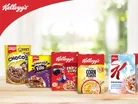
Ferrero, the Italian group best known for sweets like Nutella and Ferrero Rocher, is entering a new food category with its US$3.1bn purchase of WK Kellogg Co.
The move pushes the privately held firm beyond confectionery into breakfast cereals and gives it wider control over production and distribution across North America.
This acquisition marks a shift for Ferrero, which is seeking to build a more resilient supply chain while addressing the environmental and economic risks tied to cocoa.
Sustainable footprint through production expansion
The deal is also part of a broader effort to align with changing consumer habits, including growing concerns about food sourcing, carbon emissions and packaging waste.
WK Kellogg Co is being purchased for US$23 per share in cash, a 40% premium more than the average share price in the past month.
Brands now joining Ferrero’s portfolio include Frosted Flakes, Kashi, Raisin Bran and Special K.
The company will also take on WK Kellogg’s Battle Creek headquarters in Michigan, a site with deep roots in US cereal production.
The purchase enhances Ferrero’s North American presence, giving it more control over the company's full production chain—from sourcing ingredients to managing packaging and transport.
It adds WK Kellogg Co’s cereal-making capacity to Ferrero’s existing network, which already includes 22 factories and 11 offices supporting products like Tic Tac, Kinder and Nutella.
Climate-related pressures in cocoa-producing regions have driven up costs in the confectionery sector, forcing Ferrero to look at ways to balance environmental risks across categories.
By entering cereals, the company gains access to a food segment that uses established grain supply lines and automated, scalable production systems.
Lapo Civiletti, Chief Executive of Ferrero Group, sees this as a natural step.
WK Kellogg Co "represents a meaningful addition to the Ferrero Group," he says, noting that the deal allows Ferrero to reach "more consumption occasions".
The sustainability advantage lies in combining long-standing cereal infrastructure with Ferrero’s own logistics, opening up opportunities to reduce transport emissions, limit waste and explore circular economy models.
By integrating WK Kellogg Co's production with Ferrero’s other North American assets, there’s potential to cut duplication in warehousing, transport and packaging.
Rethinking supply chains and product innovation
WK Kellogg Co was spun out of the former Kellogg Co in 2023, now known as Kellanova.
Since the split, the cereal business has faced a tough market. Shoppers with higher incomes are choosing cereals with lower sugar content, while budget-conscious buyers are moving to supermarket own-label products.
As a result, WK Kellogg Co has revised its forecasts and trimmed costs.
But Ferrero plans to inject capital into its new cereals division, improving efficiency and investing in marketing and product development.
Gary Pilnick, Chairman and Chief Executive Officer of WK Kellogg Co, says the acquisition "will provide WK Kellogg Co with greater resources and more flexibility to grow our iconic brands in this competitive and dynamic market".
"We believe Ferrero’s commitment to quality, operational excellence and consumer focus aligns closely with WK Kellogg Co’s founding values and future ambitions."
Bringing WK Kellogg’s operations into Ferrero’s wider logistics strategy could also allow for product bundling and joint promotions, pairing breakfast cereals with Ferrero’s existing brands, or introducing more sustainable packaging solutions across the product lines.
Analysts watching the deal point to ESG targets as a likely influence on what happens next. Ingredient sourcing, packaging formats and workforce conditions are all areas where Ferrero is expected to apply stricter sustainability standards.
The opportunity is clear: combine WK Kellogg Co’s existing infrastructure with new practices to reduce the environmental impact across production stages.
Integration, investment and long-term planning
Although regulatory approval is still required, the deal already has strong shareholder support.
Roughly 21.7% of WK Kellogg Co’s stakeholders, including the W.K. Kellogg Foundation Trust and the Gund Family, have backed the sale.
Completion is expected in the second half of 2025.

Ferrero is entering a company with solid but underperforming financials.
Second quarter sales are projected between US$610m and US$615m, with adjusted earnings before interest, tax, depreciation and amortisation (EBITDA) between US$43m and US$48m.
That represents a margin of 6.1% to 7.9%—well below industry leaders, but with room to grow.
The company has a track record of scaling acquired US brands, from Keebler to Blue Bunny, applying operational efficiency and brand revitalisation.
The challenge now lies in applying those lessons to a cereal category under pressure from health-conscious buyers and carbon-conscious investors.
Ferrero aims to keep key teams and facilities in place while using its own logistics platform to support cereal distribution.
With Battle Creek remaining a key hub, the long-term goal is to create consistency in operations while adapting to future sustainability standards.