
GSMA: How the Mobile Industry is Decarbonising for Net Zero
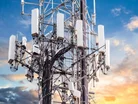
Mobile network providers cut their operational carbon output by 13% in the five years to 2024, according to the GSMA. This reduction happened while connections grew by 10% and data traffic more than quadrupled.
The GSMA reports that operators achieved a 5% emissions drop in 2024 alone. This rate is twice the average annual reduction recorded between 2019 and 2023.
The trade association's Mobile Net Zero 2026: State of the Industry on Climate Action report examined energy and emissions records from more than 110 mobile operators. These firms account for 85% of connections worldwide.

Carbon output continues to fall
While emissions declined across all regions, the GSMA notes that progress must speed up to meet the 45% reduction target set for 2030.
This target forms part of the industry's science-based pathway.
The mobile industry generated around 115 million tonnes of CO₂e in operational emissions during 2024.
This represents about 0.2% of total greenhouse gas emissions globally.
John Giusti, Chief Regulatory Officer at the GSMA, says: "The mobile industry continues to demonstrate that economic growth, digital connectivity and climate action can go hand in hand."
He adds: "Operators are connecting more people, carrying more data and supporting digital economies around the world while still reducing emissions."
The 13% reduction happened despite connections and data volumes rising substantially. Network operators managed to decouple growth from carbon output across the period studied.
Renewable energy drives decarbonisation
Clean electricity procurement emerged as the main factor behind emissions reductions. Mobile operators purchased or generated approximately 70TWh of renewable power in 2024.
This volume matches Indonesia's total annual renewable electricity generation. The proportion of corporate electricity sourced from renewable contracts rose from 10% in 2019 to 24% in 2024.
Regional differences remain substantial. European operators source 70% of their electricity from renewables, compared with 50% in North America and 45% in Latin America.
John says: "The progress we are seeing is encouraging, but more needs to be done."
He adds: "Access to renewable energy remains one of the biggest factors determining how quickly operators can decarbonise."
John continues: "Policymakers have a vital role in creating the conditions that enable investment in clean energy infrastructure and accelerate the transition to net zero."
Supply chain emissions need attention
Around three quarters of the mobile sector's total carbon footprint sits within Scope 3 emissions, according to the report. These are indirect emissions generated throughout the supplier network.
More than half of surveyed software, cloud and hardware providers have validated near-term goals. Less than a quarter of the world's largest tower companies have done so.
The GSMA notes that tower companies present a substantial opportunity for emissions reduction. The 100 largest firms operate four million sites and consumed more than two billion litres of diesel in 2024.
The Science Based Targets initiative manages the target validation process. This independent global body assesses whether corporate emission targets align with climate science.
Currently, 81 mobile operators have established near-term science-based targets. These represent nearly half of global connections and over two thirds of industry revenues.
Additionally, 50 operators have committed to net zero targets. The SBTi has validated 46 of these plans.
Policy changes could accelerate progress
The GSMA urges governments to liberalise electricity markets and streamline permitting processes.
The trade body also calls for incentives to repair and refurbish equipment.
John says: "Mobile networks are critical infrastructure for modern societies and economies."
He adds: "Ensuring they can access affordable, reliable renewable energy will not only help reduce emissions, but also strengthen energy security, improve resilience and support sustainable economic growth."
The GSMA encourages network operators to improve energy efficiency continuously.
It also recommends phasing out legacy networks and engaging more deeply with suppliers regarding emissions.
While AI expansion is accelerating energy demand in global data centres, the report indicates that its direct impact on mobile network energy consumption is limited for now.
The technology's effect on mobile infrastructure remains minimal compared to fixed-line data facilities.
Company portals

Executives

John Giusti
Chief Regulatory Officer