How Children Are Influencing LEGO’s Move to Paper Packaging
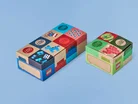
LEGO’s packaging decisions are informed by what children say matters to them, with recent research from the LEGO Play Well Study showing that four in five children (81%) care about recycling and a similar share (80%) are interested in reducing waste.
In line with its wider sustainability goals, more than half of the packing lines that prepare LEGO bricks now use paper-based bags instead of single-use plastic – a move closely aligned with what children say they want from brands.
The shift is part of a wider push to make all LEGO packaging more sustainable, with a strong emphasis on recyclability and responsible material sourcing.
A new milestone for packaging
Around the globe, 56% of LEGO brick packing lines have transitioned from plastic to paper-based inner bags, replacing the single-use plastic pouches that used to hold elements inside the box. These new bags are made from sustainably sourced, technically recyclable paper, helping reduce reliance on plastics without compromising the building experience.
Across the portfolio, around 93% of LEGO packaging by weight already consists of paper, cardboard and other fibre-based materials, meaning the vast majority of boxes and inserts are recyclable in standard paper streams. The company is continuing to phase out the remaining single-use plastic formats while scaling the new packaging across its manufacturing network.
“We’ve passed another important milestone in replacing single-use plastic bags in our products,” says Annette Stube, Chief Sustainability Officer at The LEGO Group. “It's been a massive team effort to get there.”
The benefits to children and consumers
LEGO is enjoyed around the world by adults and children alike. The company not only influences people through its products, but listens too. This creates a powerful alignment between corporate strategy and consumer expectations, especially among younger builders who increasingly look for brands to reflect their environmental values.
Paper-based, recyclable packaging also supports families who are trying to reduce household waste, making it simpler to dispose of LEGO packaging responsibly once a new set is opened. By visibly removing plastic from the unboxing moment, the company turns sustainability into a tangible part of the play experience, not just a behind-the-scenes initiative.
Paper-Based Bag 2.0
The rollout of paper-based bags is well advanced in LEGO factories in China and Vietnam, with implementation in the Czech Republic and Hungary targeted by 2026 and in Mexico by 2027.

This marks the completion of “phase one” of the transition, after which LEGO plans to further refine the technology and processes behind its new packaging lines.
Engineers are already focused on improving the speed and efficiency of the paper-based packing equipment so that, over time, it can surpass the throughput of the plastic bag machines it replaces.
The ambition is that a “Paper-Based Bag 2.0” approach will combine better material choices with higher operational performance, embedding sustainability into everyday production rather than treating it as a compromise.
LEGO’s wider sustainability agenda
Packaging is one strand of LEGO’s broader sustainability agenda, which includes commitments to make all packaging from more sustainable materials and to cut the environmental impact of its operations and products. The group is investing in new materials, circular design principles and more efficient factories as it looks to decouple growth from resource use over the long term.
“We are on an ongoing continuous improvement journey,” says Jesper Toubøl, VP, R&D packing and packaging, The LEGO Group.
“Once the roll out of bags is complete, we’ll explore ways to enhance and continue to make the bags, and the building experience they offer children and families, ever better.”
These packaging milestones build on earlier moves such as switching to paper-based shopping bags in LEGO stores and increasing the recycled content in transport and distribution packaging. Together, they signal that the company sees packaging not just as a container for bricks, but as an important lever in achieving its environmental goals and responding to the next generation’s expectations.
Company portals

Executives
Annette Stube
Chief Sustainability Officer