
How Whole Foods & Amazon are Decarbonising Shrimp Farming
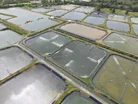
Whole Foods Market has launched a pilot programme aimed at reducing the carbon footprint of farmed shrimp, one of America's most popular seafoods.
The initiative, developed in partnership with long-time supplier Thai Union through its Chicken of the Sea Frozen Foods division, targets the production of 1,000 metric tonnes of lower-carbon shrimp.
The programme forms part of Amazon's Climate Pledge, which commits the company to reaching net zero carbon emissions by 2040.
Addressing the environmental impact of shrimp farming
“Shrimp is America’s favourite seafood, but its farming can have outsized environmental impacts and a significant carbon footprint,” says Caitlin Leibert, VP of Sustainability at Whole Foods Market.
Farming shrimp is a very carbon intensive process with emissions mostly stemming from three sources:
- Feed production and transportation
- Energy consumption for pond management systems such as pumping and aeration
- Direct greenhouse gas emissions from decomposing organic matter in ponds
The shrimp farming sector is also the subject of close scrutiny over the conversion of mangrove forests into shrimp farms in Southeast Asia, where a great deal of farmed shrimp is produced.
This practice creates a double jeopardy, destroying critical habitats and releasing stored carbon into the atmosphere.
What’s more, mangrove ecosystems are particularly good carbon sinks – able to sequester up to 10 times as much CO₂ as forests – and their destruction hinders the planet's capacity to absorb future emissions.
Whole Foods Market's existing quality standards already prohibit the conversion of sensitive ecosystems and ban antibiotics, added growth hormones and synthetic parasiticides in farmed seafood.
A three-pronged approach to carbon reduction
The Shrimp Decarbonisation Initiative focuses on three main interventions at participating farms.
Firstly, farms must source deforestation-free feed made with soy that has not been grown on recently converted forests, wetlands or other natural ecosystems.
Secondly, automatic feeding machines have been installed to dispense feed at controlled intervals and quantities, optimising shrimp growth whilst minimising waste.
These machines feature programmable timers, adjustable feed rates and sensors that respond to shrimp activity and environmental conditions.
The automation has improved feed conversion ratios, reduced labour costs and supported more consistent shrimp health.
Thirdly, each participating farm must install solar panels with a minimum capacity of 100 kWp, sufficient to meet 100% of daytime energy requirements.
Real-time monitoring technology has also been implemented to improve overall energy efficiency.
Lessons from the pilot project
So far, Whole Foods Market has identified a few key things that will make the programme viable for a wider rollout.
Cross-departmental collaboration within the retailer has proved essential for integrating decarbonisation costs into the ongoing cost of goods, particularly given the upfront investment required for infrastructure such as solar installations.
Close communication with its shrimp supplier Thai Union, including regular meetings, rigorous reporting and site visits, has also helped identify the best and most efficient opportunities for carbon reduction in the supply chain.
The US-based retailer has also emphasised the importance of establishing data-driven goals and aligning on reporting expectations and key performance indicators early in the project design phase.
“We’ve long upheld high standards for farmed seafood, but we know that real progress means going further,” Caitlin explains.
“It means listening to our planet, our partners and our purpose.”
How to make seafood supply chains more sustainable
All in all, this pilot programme signals a shift from simply setting sourcing standards to actively investing in supplier infrastructure improvements: from words to action.
And while Whole Foods Market has long maintained some strict quality standards for its seafood department, this initiative speaks to a real willingness to bear some of the financial burden of decarbonisation by paying what is commonly known as a ‘green premium’.
The programme's success could well influence how other retailers approach sustainability in their supply chains, particularly for those products with complex environmental footprints like shrimp and other seafoods.

Whether a low-carbon shrimp can be produced at a price that maintains commercial viability remains a key question as the pilot progresses, though the price will likely drop as efficiency improves.
The initiative also raises questions about scalability beyond the initial 1,000 metric tonnes and whether similar approaches could be applied to other high-impact aquaculture products.
Thai Union's participation suggests that established seafood suppliers see commercial value in pursuing lower-carbon production methods, particularly when working with retailers committed to sustainability goals.
Company portals


Executives

Caitlin Leibert
VP of Sustainability