
Elon Musk & RJ Scaringe: Why EV Firms Value CEOs So Highly

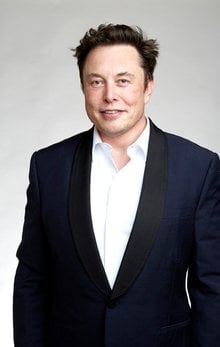
Discussion surrounding Elon Musk's remuneration has been constant since Tesla put forward an eye-watering US$1tn compensation arrangement for its CEO in September.
Following opposition from Norway's sovereign wealth fund and public commentary from the Pope, the prolonged uncertainty has concluded.
At a Tesla shareholder gathering on 6 November, Elon's arrangement secured approval, gaining 75% of the vote.
Celebrating the outcome, he addressed those present: "Other shareholder meetings are snoozefests but our are bangers. Look at this. This is sick."
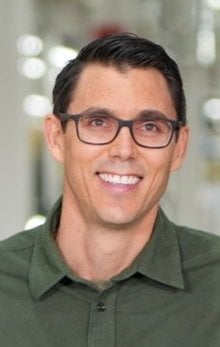
Hot on the heels of this development, rival EV manufacturer Rivian issued its own statement on 7 November, revealing it would grant its chief executive, RJ Scaringe, an updated compensation arrangement valued at up to US$4.6bn across the next 10 years.
Disclosed in an SEC filing the same day, the Board chose to terminate RJ's earlier 2021 remuneration arrangement to "retain and incentivise" the chief executive whilst he steers the electric vehicle manufacturer through its "critical next phase".
The total arrangement will reach US$4.6bn should the company's shares hit US$140 per share.
Why Rivian is offering its CEO such a large pay package
For RJ to obtain the arrangement, Rivian requires its stock to surge by 800%, climbing from the present US$15 level, whilst simultaneously meeting confidential operating income and cash flow benchmarks, a TechCrunch report indicates.
Once shares reach US$40, he stands to receive two million shares for each US$10 increment added to the share price. The report notes shares would need to maintain their US$140 level for 120 straight days for him to collect the complete arrangement.
RJ has the potential to secure an additional 14.5 million shares by meeting yearly benchmarks for adjusted operating income and cash flow operations before 31 December 2032.
Marina Hoffman, a Rivian spokesperson, told Business Insider: "Rivian shareholders will see an approximate US$32bn of return before RJ sees US$1 from this award.
"If the entire award is earned by RJ, Rivian shareholders will see around US$153bn of value creation."
Rivian finds itself at a crucial juncture as it gears up to introduce the R2, a US$45,000 electric SUV conceived to extend the manufacturer's premium offerings to a wider customer base.
RJ previously told Business Insider: "For us to become a company of the scale we aspire to be, which is producing many millions of cars a year, we're not going to get there with a US$90,000 single flagship product."
Breaking down Elon Musk's compensation arrangement
For Elon Musk to collect the US$1tn by 2025 he must accomplish critical benchmarks and strategic objectives grouped within the company's extended vision for establishing 'Sustainable Abundance' for everyone.
Tesla's benchmarks he must achieve include the following:
- Delivering 20 million Tesla vehicles and one million robots
- Getting 10 million subscriptions to Tesla's Full Self Driving feature
- Bringing one million self-driving Robotaxi vehicles into commercial operation
- Earning up to US$400bn in core profit
- Lifting Tesla's overall market value to US$8.5tn, which is currently US$1.4bn

The obstacles confronting both CEOs
Tesla's third quarter of 2025 recorded revenue of US$28.1bn, Reuters reports, surpassing the London Stock Exchange Group projection by US$1.7bn. Nevertheless, the company's Q3 financial report, published in October 2025, revealed a 4% decline in share value.
During Rivian's third quarter, revenue rose 78% to US$1.56bn. The manufacturer upheld its earlier reduced 2025 guidance, projecting an adjusted loss of US$2.2bn for the year whilst manufacturing 42,500 vehicles, CNBC reports.
Both manufacturers' financial performance faces significant electric vehicle industry challenges, encompassing the elimination of a tax credit that supported EV purchases, heightened EV and hybrid rivalry and tariffs on imported automotive components.
In a shareholder letter dated 4 November, RJ stated that notwithstanding economic and policy-driven uncertainties, "we remain focused on long-term growth and value creation".
Company portals
Executives
Elon Musk
Tesla CEO
RJ Scaringe