Mondelēz: Tackling Plastic Packaging Circularity in Europe
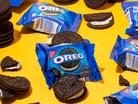
Mondelēz International, the company behind popular chocolate and snacking brands such as Cadbury, Oreo and Toblerone, has announced milestones in its sustainability journey.
Its Europe division has achieved the company’s global goal of 5% recycled content in its product packaging.
It has also shifted to more recycled plastic, enabling an annual reduction of around 1,000 tons of virgin plastic across Europe.

Sustainability, procurement and supply chain leaders won’t want to miss Sustainability LIVE: The US Summit, taking place at Navy Pier, Chicago, on April 21–22.
Co-located with Procurement & Supply Chain LIVE, the event unites senior decision-makers at a time when supply chains, sustainability and business performance are more interdependent than ever.
Secure your place now for The US Summit – group booking discounts available.
How Mondelēz is reducing virgin plastic
Mondelēz has completed the transition from rigid plastic trays to ones containing approximately 80% recycled plastic across several of its European flagship brands.
This achievement, alongside meeting its sustainable packaging goals, reflects the company’s commitment to scaling recyclable materials and piloting innovative circularity solutions.
It aims to deploy packaging improvements at scale across major European markets, including the UK, France, Spain, Germany, Austria and Switzerland.
Mondelēz is investing in diverse recycling technologies and circularity initiatives across Europe, to further reduce its use of virgin plastic.
Catherine Burgeat, Sustainability Senior Director of Europe at Mondelēz International, says: “We are proud of these milestones, as we continue accelerating our sustainable packaging journey across Europe.
“Replacing PET plastic trays with rPET is a major step towards reducing our virgin plastic usage and contributing to a more circular packaging economy.”
The use of recycling technologies
Throughout Europe, Mondelēz International is working on advancing complementary recycling technologies.
One method is mechanical recycling, which involves collecting, cleaning and reprocessing used plastics into new packaging materials.
The company is using this to incorporate recycled PET (rPET) into its trays for its boxed chocolate brands – Milka, Marabou, Mirabelle and Suchard pralines – and its biscuit products – Milka Choco Wafer, Chips Ahoy and Oreo.
Milka Pralines are the company’s top example, with its trays incorporating around 80% rPET and eliminating colour to further enhance its recyclability.
This change will soon be rolled out across the company’s other brands, helping to meet its sustainability goals.
The other technology is chemical recycling, which involves breaking down plastic into molecular building blocks, which enables its reuse in food-contact packaging.
Mondelēz International has been one of the early adopters of chemical recycling in Europe.
In the UK, Cadbury Dairy Milk introduced approximately 30% chemically recycled content in 2022, followed by products in Nordic countries in 2024.
A broader adoption of 80% recycled plastic for Cadbury tablet packaging was rolled out in 2025.
Richard Akkermans, Packaging Sustainability Manager Europe at Mondelēz International, says: “Innovation in both mechanical and chemical recycling technologies is essential to increasing the availability of food-contact recycled plastic.
“By working closely with suppliers and value chain partners, we are turning sustainability ambition into practical action.”
Circularity across Europe
As well as targeting virgin plastic reductions, Mondelēz International is continuing to invest in plastic packaging circularity.
It is investing in circularity pilots in Germany, Belgium, the Nordics and the UK.
One pilot initiative is taking place in Germany with Philadelphia tubs, helping to advance the collection and recycling of packaging through Mondelēz’s partnership with HolyGrail 2030.
This is an industry initiative led by AIM (European Brands Association).
The company is using digital watermarks, with the aim of improving sorting accuracy and unlocking additional future sources of food-grade recycled plastic.
Mondelēz’s progress towards sustainable packaging contributes to Europe’s broader transition towards more circular packaging systems.
This aligns with evolving expectations and regulations around recyclability and recycled content in products.
The company aims to significantly reduce its virgin plastic usage and support a more sustainable future for the snacking sector.
It aims to do this through prioritising the use of recycled content, as well as advancing innovation across its wide range of product categories.
Company portals
Executives
Catherine Burgeat
Senior Director, Sustainability Europe
Richard Akkermans
European R&D Packaging Sustainability