This Week's Top 5: Europe, Siemens Energy & Andy Burnham
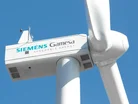

Siemens Energy is preparing to drop its current brand identity in favour of a new name that reflects its position as an independent provider of energy infrastructure.
The change comes six years after the company separated from Siemens AG and could signal a shift in how the business presents its role in the global energy transition.
The new identity, Omterra, will replace both the Siemens Energy and Siemens Gamesa brands through a phased rollout starting later this year.
According to Siemens Energy, the name combines "om" meaning all and "terra" meaning land.
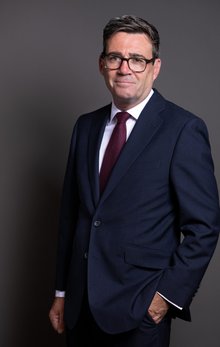
After being elected leader of the UK’s Labour Party last week, Andy Burnham will move into 10 Downing Street today. He becomes the country’s seventh prime minister in the past decade.
As the MP for Makerfield, Andy served in the UK government as Secretary of State for Health and Secretary of State for Culture, Media and Sport during Gordon Brown’s time as Prime Minister (2007-2010).
His popularity with UK voters and Labour Party members grew during his nine years as Mayor of Greater Manchester (May 2017 to June 2026) in northwest England.
This rise in support helped him replace Sir Keir Starmer as Prime Minister.
As of 19 July 2026, large companies in the EU cannot destroy unsold clothing, accessories or footwear under the Ecodesign for Sustainable Products Regulation, which started in 2024 and aims to cut textile waste.
Medium-sized companies must follow these rules from 2030, while small and micro-businesses are always exempt.
Every year, 4% to 9% of textiles sold in Europe are destroyed before they are used. This adds up to 264,000 to 594,000 tonnes of textiles thrown away every year.
The wasted textile mountain creates about 5.6 million tonnes of carbon dioxide, which is similar to Sweden’s total emissions in 2021.
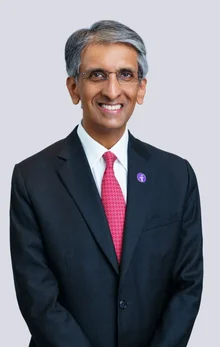
Temasek, a Singaporean state-owned investment company with 13 offices across nine countries, manages a net portfolio of SGD518bn (US$401bn), targeting sectors including technology, financial services and life sciences.
It is aiming towards net zero, focusing on investing for a low-carbon economy, encouraging decarbonisation efforts and enabling carbon market solutions.
Its target is to reach net zero carbon emissions by 2050.
One of the major bottlenecks to Europe’s rollout of renewable energy capacity is the bloc’s constrained and ageing power grid.
The huge rollout of new-generation capacity, as wind and solar technologies expanded faster than fossil-fuel generators were retired, has left the physical grid infrastructure bursting at the seams.
Approximately 120GW of planned renewable projects in Europe are at risk due to grid constraints, according to think tank Ember.
Company portals



Executives
Andy Burnham
Prime Minister of the United Kingdom
Christian Bruch
President and CEO
Dilhan Pillay Sandrasegara
CEO
Jessika Roswall
Commissioner for Environment, Water Resilience and Competitive Circular Economy
Kyung-Ah Park
Chief Sustainability Officer
Maria Ferraro
Chief Financial Officer and Chief Inclusion & Belonging Officer
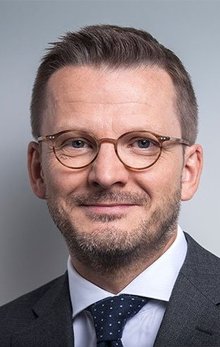
Robin Zimmermann
Senior Vice President of Communications & Corporate Social Responsibility
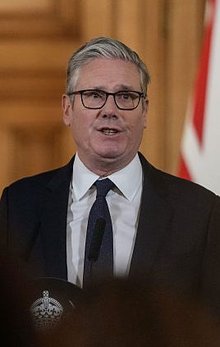
Sir Keir Starmer
Former Prime Minister of the United Kingdom