
UNEP: Pharmaceutical Pollution Threatens Water & Soil
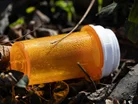
Medicines used in human healthcare, veterinary treatment and agricultural practices enter natural systems through manufacturing emissions, patient excretion and improper disposal practices.
The United Nations Environment Programme has found pharmaceutical residues in surface water, groundwater and drinking water across multiple countries.
Around 4,000 active pharmaceutical ingredients are used globally in human, veterinary and over-the-counter drugs, according to UNEP.
These biologically active components reach the environment through multiple pathways, including emissions from drug manufacturing, patient and animal excretion, aquafarming and improper disposal of unused or expired medicines.
Veterinary pharmaceuticals applied in animal husbandry can enter soil through manure used as fertiliser. This could lead to soil contamination and uptake into food crops.

UNEP-supported global reviews have documented hundreds of different pharmaceuticals detected in water systems.
The programme has identified these risks as increasingly important due to their links with antimicrobial resistance, endocrine disruption, ecosystem toxicity and contamination of water and soil systems.
Waste management in veterinary practices
Veterinary practices have begun implementing disposal protocols to reduce environmental contamination.
“Every veterinary practice has access to step-by-step waste disposal guidance and many have Environment Champions steering the effort at ground level,” says Rosie Naylor, CVS Group Procurement Director and Sustainability Lead.
“This is leading to less waste going to landfill and more being recycled,” says Rosie. Implementing waste-disposal guidance could reduce the amount of pharmaceutical residues entering natural systems.
Pharmaceutical substances can move through food chains and accumulate in organisms through biomagnification. UNEP has documented this process in multiple ecosystems.
The release of pharmaceuticals into the environment during manufacturing, use and disposal can create environmental and public health risks, according to the programme.
These risks stem from the biological activity of pharmaceutical ingredients.
Sustainability leaders won’t want to miss Sustainability LIVE: The Leadership Summit at London Climate Action Week, taking place at Code Node on 25 June 2026.
Register now for this exclusive invite-only event.
Impact on ecosystems and organisms
Pharmaceutical residues released into the environment can cause toxicity in organisms, endocrine disruption and changes in microbial communities, according to UNEP.
The selection and spread of antimicrobial resistance is also linked to pharmaceutical pollution.
Waterways are most commonly studied for pharmaceutical contamination. However, land-based animals are also affected, including documented cases such as mass vulture deaths linked to diclofenac exposure.
Humans are primarily exposed through contaminated water and food, according to UNEP. The full extent of the health risks remains unclear.
Ecosystem degradation caused by pharmaceutical pollution could indirectly increase public health risks.
UNEP notes this may occur through broader environmental system disruption and the spread of antimicrobial resistance.
Global response to pharmaceutical contamination
“Solid waste reflects how our societies produce and consume, and how we treat people and the environment in the process,” says Dr Rüdiger Krech, Director a.i., Department of Environment, Climate Change, One Health & Migration at the World Health Organisation.
“If we continue to treat waste as an afterthought, we will lock in avoidable disease, climate pollution and deep social inequities,” says Rüdiger.
UNEP is working to address the impact of pharmaceuticals on the environment through international cooperation, guidance development and stakeholder engagement.
Together with the World Health Organisation, UNEP has been developing global best practices to reduce pharmaceutical pollution across the full lifecycle of medicines, with support from the Global Environment Facility.
The programme has been coordinating outreach events, consultations and knowledge-sharing initiatives.
These include regional discussions such as the Latin American Subregional Consultation held in Bogotá in 2025.
“Health ministries can start now by ensuring safe management of health-care waste, developing strong occupational health programmes for waste workers, and working with municipalities to reduce health risks from solid waste by closing open dumps and burn sites and gradually improving towards safe services,” says Bruce Gordon, Head of Water, Sanitation, Hygiene and Health Unit for WHO.
A key focus of UNEP is improving the safe disposal of unused medicines through its guidance, Safe Disposal of Unused Medicines – A One Health Approach for National Systems.
This framework promotes coordinated action across healthcare, agriculture, households and industry.
The guidance focuses on waste prevention, take-back schemes, legal frameworks and awareness-raising.
These measures could reduce environmental contamination from pharmaceutical residues.
UNEP aims to reduce environmental contamination while strengthening the connection between human health, animal health and environmental protection.
The programme emphasises that pharmaceuticals play a role in supporting human and animal health, improving food production and contributing to economic prosperity worldwide.
Company portals
Executives

Bruce Gordon
Head, Water, Sanitation, Hygiene and Health Unit

Rüdiger Krech
Director a.i., Department of Environment, Climate Change, One Health & Migration