
What's Inside GSK's 2025 Responsible Business Report?
GSK operates across 70 global markets with a workforce exceeding 66,000 employees, developing 58 medicines and vaccines while targeting a goal to positively impact 2.5 billion people's health before 2030.
The pharmaceutical company has published its 2025 Responsible Business Report in conjunction with its Annual Report.

Healthcare companies bear responsibility for addressing barriers that prevent medicine access, particularly as populations in low-income countries encounter increasingly complex challenges.
GSK has broadened its global partnerships to strengthen resilient health systems, enabling communities to access prevention and care support.
The company, alongside ViiV Healthcare, committed £6m (US$8m) in 2025 to the Global Fund, matched by £6m (US$8m) from the Gates Foundation.
This investment could accelerate community-led responses targeting high-burden infectious diseases including HIV, TB and malaria.
"On almost every measure, GSK is now a changed company – with a confident, ambitious purpose; clear strategic priorities; a stronger pipeline and more balanced portfolio; a sharper focus on capital allocation and a reformed culture where talented people can focus on what matters most and be accountable for delivery," says Sir Jonathan Symonds, Chair of GSK.
"At the same time, GSK has kept what makes the company special – a distinctive focus on people and patients, a truly global reach and a deep commitment to do the right thing."
Progress towards reaching underserved populations
GSK is advancing towards its 2030 target of reaching 1.3 billion people in lower income countries with its products.
The company supplied 560 million doses to lower income countries in 2025, positioning it on track to meet this objective.
GSK's approach centres on making products available at value-based prices that could remain sustainable for the business while implementing access strategies designed to help medicines reach underserved populations.
According to GSK, access begins with understanding patients, examining how disease affects them and the context in which they receive care.
The company focuses on partnering with global health organisations, local governments and communities to reach people affected by disease.
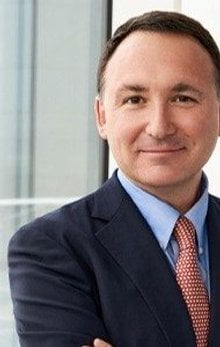
"In 2025, we delivered another year of strong performance as a responsible business," says Luke Miels, CEO of GSK.
"Looking ahead, we remain committed to maintaining these high standards and to further evolving our approach to create value for shareholders and better outcomes for patients."
Climate targets and operational improvements
GSK achieved a 45% reduction in operational carbon emissions from its 2020 baseline in 2025.
The company also met its 2025 target of sourcing 100% imported renewable electricity.
Long-term goals include committing to a net zero, nature positive, healthier planet with targets set for 2030 and 2045.
The pharmaceutical company aims to enhance the environmental sustainability of its products and business operations to meet customer demand and maintain a resilient supply chain.
Climate change and nature loss are altering the spread and burden of disease, posing threats to human health and increasing pressure on global healthcare systems.
This creates a growing need for climate action from companies like GSK.
Claire Lund, outgoing Vice President Sustainability at GSK, writes on LinkedIn: "We've published our 2025 Responsible Business Report setting out the progress we've made. This marks the halfway point for many of our climate and nature targets and I'm particularly pleased that we've achieved our 2025 short-term targets.
"To share a few of my personal highlights – we've made significant progress transitioning to low carbon inhalers, embedded eco-design into all new products and we're working with our suppliers to access renewable energy.
"We were also the first pharmaceutical company to have Science Based Targets Network (SBTN) validated nature targets and launched a multi-year landscape and restoration partnership with WWF UK."
Company portals

Executives

Claire Lund
Outgoing Vice President sustainability
Luke Miels
Chief Commercial Officer