
Why JLR, NSG & Arup Started the Responsible Glass Coalition

A group of some of the world's largest glass manufacturers and end-users has come together to form a new coalition called Responsible Glass, an international certification programme designed to establish unified sustainability standards across the global glass sector.
The organisation will be structured as an independent multi-stakeholder body and will aim to address what its members describe as a significant gap in an industry that generates an enormous amount of waste and pollution each year.
According to Responsible Glass itself, the glass manufacturing sector is responsible for producing around 95 million tonnes of carbon dioxide each year.
NSG Group, Jaguar Land Rover, engineering consultancy Arup and several mining organisations are among the founding members of the initiative.

A new standard for an energy-intensive sector
Glass production requires furnace temperatures exceeding 1,500°C, making it one of the most energy-intensive manufacturing processes.
Unlike the steel or timber industries, the glass sector has historically lacked a globally recognised framework for certifying responsible production.
Responsible Glass will offer a certification mark covering flat glass used in windows and automotive windscreens, container glass for bottles and jars, and speciality products including lenses and fibreglass.
The programme emphasises auditable standards for low-carbon production and enhanced supply-chain transparency.
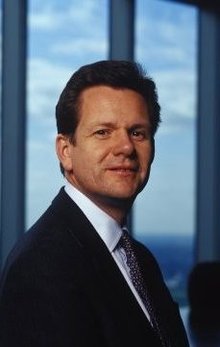
Francis Sullivan is Chair of Responsible Glass and the former Head of Sustainability at HSBC. He says that the initiative has required – and will continue to require – collaboration across the sector.
"Driving social and environmental change in the glass industry requires an approach which values industry knowledge, social and environmental expertise, openness, trust and a forum where decisions are not only transparent but also equitable," Francis explains.
Multi-stakeholder approach
The certification framework follows models established in other sectors, particularly Responsible Steel, which has grown to more than 160 members in less than a decade.
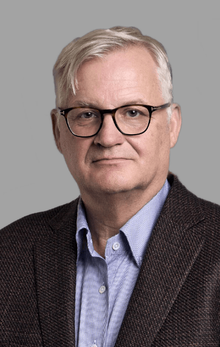
Alan Knight, former Head of Sustainability at Responsible Steel and now part of the Responsible Glass leadership team, highlighted the material's reach across multiple industries.
"Glass is a material that touches hundreds of industries. From construction and the automotive sectors to new technology industries of the future," Alan says.
"Only by engaging the entire value chain can we work collaboratively to reduce greenhouse gas emissions and address other critical sustainability challenges."
The organisation's founding members span the supply chain, from raw material suppliers WE Soda and Ciner Glass to manufacturers NSG Group and Stara Glass, and end-users including Belron and Jaguar Land Rover.
Climate Group, ERM CVS and the Initiative for Responsible Mining Assurance are among the sustainability-focused organisations supporting the launch.
An industry-wide commitment
NSG Group, one of the world's largest glass manufacturers following its 2006 acquisition of Pilkington, has positioned the certification as aligned with its corporate carbon neutrality goals.
Munehiro Hosonuma, CEO of NSG Group, sees the initiative as an important step towards establishing strong global standards.
"This initiative represents a significant step toward global standards for responsibly produced glass, advancing sustainability and transparency in line with NSG Group's long-term carbon neutrality commitment," he says.
The glass industry faces mounting pressure to reduce emissions as governments implement stricter building codes and automotive manufacturers pursue decarbonisation targets.
Manufacturing processes account for approximately 75% of emissions from glass production, with the remainder stemming from raw material decomposition during melting.
Responsible Glass has not yet specified timelines for certification rollout or disclosed membership fees.
The organisation said it would develop standards through consultation with its members and stakeholders across the glass supply chain.
Company portals



Executives
Alan Knight
Ambassador
Francis Sullivan
Chair of the Board

Munehiro Hosonuma
CEO