Why Kellanova & Walmart are Investing in Regenerative Rice
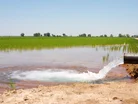
Rice farming often uses significant amounts of freshwater and produces methane, but more than four billion people depend on this crop according to Oxford University.
Kellanova and Walmart have announced a partnership to support farmers and regenerative agriculture in Arkansas, US.
In partnership with Indigo Ag, farmers participating in the program will receive a financial premium for every pound of rice produced using regenerative methods.
These funds can support new practices like improved water management, optimised fertiliser application and crop rotation.
“Kellanova is committed to building a more sustainable future for our business and the communities where we operate,” says Janelle Meyers, Chief Sustainability Officer at Kellanova.
“Without farmers, making our iconic foods wouldn’t be possible.
“Our Kellanova Better Days Promise aims to advance sustainable practices and mitigate the impacts of climate change—but we know we can’t achieve our goals without our partners.
“By joining forces with Indigo Ag and Walmart, we’re creating agricultural resiliency that increases farmer revenues, advances climate-smart practices and drives long-term, systemic impact across the value chain.”
What does regenerative agriculture mean?
Regenerative agriculture is a holistic approach to farming that focuses on restoring and improving the health of ecosystems, especially soil, to increase biodiversity, improve water cycles and enhance the land's resilience to climate change.
Practices like no-till or reduced till farming can prevent soil erosion and maintain soil structure.
Instead of monocultures, diverse crops are planted in rotation to create a more resilient ecosystem.
Using cover crops or other methods to keep the soil covered prevents erosion and helps it retain moisture.

Regenerative agriculture can help companies to lower emissions within their supply chains and create direct benefits for farmers.
Reducing use of synthetic fertilisers and pesticides can reduce costs, resilience against extreme weather can reduce crop loss and farm biodiversity and soil health often improve.
However, the potential costs of these practices can discourage farmers.
Regenerative transitions can reduce yields, initial investment costs can be high and new knowledge or training can be required.
Kellanova and Walmart’s regenerative impact
The collaboration between Kellanova, Walmart and Indigo Ag can help farmers to finance implementing regenerative agriculture practices.
It also provides farmers with resources, data and technical support through the Source by Indigo programme.
The co-investment builds on four years of partnership between Walmart and Indigo Ag supporting rice farmers that supply Walmart’s Great Value brand.
So far, the programme has helped to reduce emissions for the Great Value brand by more than 37,000 tonnes of CO₂ and conserve more than 11 billion gallons of water while providing farmers more than US$900,000.
Mikel Hancock, Senior Director, Strategic Initiatives, Sustainability at Walmart, says: “We are excited to see our regenerative agriculture goals becoming reality.
“Expanding our partnership with Indigo Ag to include Kellanova reflects the scale of impact we can achieve by working together to strengthen supply chains, support farmers and advance environmental stewardship.”
Regenerative rice farming in the US
In 2023, Arkansas planted more than 1.4 million acres of rice according to the USA Rice Federation.
Across the country, 2.9 million acres of rice was planted in 2024 according to the US Department of Agriculture.
Conventional production of rice consumes a lot of water as fields are kept continuously flooded for months to control weeds.
The microbes in flooded rice paddies can generate methane which is a potent greenhouse gas.
Regenerative methods like the System of Rice Intensification (SRI), Alternate Wetting and Drying (AWD) and organic soil management can help to reduce the negative impact of farming rice.
SRI uses young seedlings, reduced plant density and AWD irrigation that keeps fields wet but not continuously flooded.
“We are proud to work with partners like Kellanova and Walmart to create measurable impact for farmers in Arkansas,” says Dean Banks, CEO of Indigo Ag.
“Together, we are building prosperity from the ground up: safeguarding water resources, improving soil health, reducing emissions and supporting farmers.”


Executives
Dean Banks
President and CEO
Janelle Meyers
Chief Sustainability Officer

Mikel Hancock
Sr. Director of Sustainable Food & Agriculture