Top 10: Sustainable Manufacturing Companies
The manufacturing and production sector accounts for a fifth of global carbon emissions, according to the World Economic Forum.
For most companies, the bulk of emissions sits upstream in purchased goods and materials.
More sustainable manufacturing can mean lower product footprints on balance sheets and more simple progress against sustainability targets.
Sustainability Magazine has ranked 10 of the top sustainable manufacturing companies.
10. Philip Morris International
Headquarters: Connecticut, US
Chief Sustainability Officer: Jennifer Motles
Founded: 1874
Employees: 83,000
Philip Morris International (PMI) products are sold in around 170 markets around the world. It has approximately 160 affiliates that operate in more than 90 countries and 51 manufacturing facilities. It says that so far, more than 200 initiatives have been deployed in PMI factories to optimise energy use which resulted in a 43% reduction in absolute GHG emissions in 2024.
Jennifer Motles, Chief Sustainability Officer at PMI says: "In an environment where many companies are scaling back their sustainability goals, we understand the importance of setting ambitious yet realistic targets, relevant to our business transformation.
9. Whirlpool
Headquarters: Michigan, US
Senior Director, Global Sustainability: Beat Stocker
Founded: 1911
Employees: 59,000
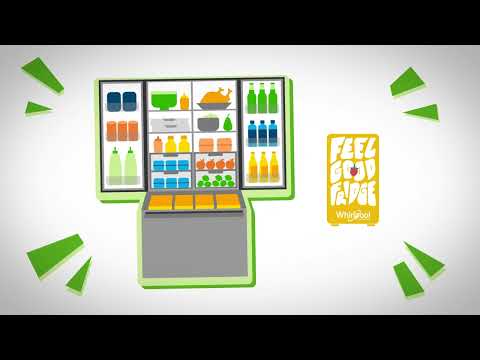
Whirlpool says that in 2003 it was the first appliance manufacturer to set an emissions reduction target. This commitment covers all of its large manufacturing sites and distribution centres around the world.
It now says it is on track to achieve its commitment of net zero emissions in its plants and operations by 2030.
To reduce emissions, the company plans to reduce energy use, expand renewables, electrify and substitute fossil fuels and invest in high-quality carbon removal projects and other projects if necessary.
8. Signify
Headquarters: Eindhoven, Netherlands
Chief Strategy & Sustainability Officer: Alice Steenland
Founded: 2016
Employees: 29,000
In 2020, Signify says that it achieved its goal of becoming carbon neutral in all of its operations as well as using 100% renewable electricity.
It aims to reduce its greenhouse gas emissions 90% by 2040 and has already reduced its carbon footprint by more than 70%.
By the end of 2025, it aims to both double its circular and brighter lives revenues to 32% each alongside doubling the amount of women in leadership to 34%.
7. The LEGO Group
Headquarters: Billund, Denmark
Chief Sustainability Officer: Annette Stube
Founded: 1932
Employees: 31,000

By 2032, LEGO Group products will be made from more sustainable materials including sugarcane, recycled kitchen worktops and fishing nets. The company says it has tested more than 600 different materials to date.
All LEGO factories globally have started production with new paper-based bags and 30% of its packaging lines have been upgraded, with the aim of transitioning fully by 2027.
The company aims to reach net zero emissions by 2050 and achieve a 37% reduction in greenhouse gas emissions by 2032.
The LEGO Group also says it has impacted more than twelve million children with learning through play experiences.
6. Smurfit Westrock
Headquarters: Dublin, Ireland
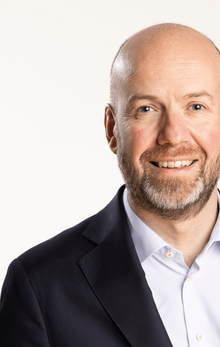
Chief Sustainability Officer: Garrett Quinn
Founded: 1934
Employees: 100,000
Smurfit Westrock says it takes a holistic approach with a circular business model, replacing natural resources where needed and reusing whatever it can. The company reports that 56% of its raw material is predominantly post-consumer recycled fibre.
The company aims to achieve net zero by 2050 and is already taking action on this goal using the latest technologies where feasible and procuring renewable energy.
It says it wants to continue progressing on creating sustainable packaging, empowering communities and delivering for stakeholders.
5. Grundfos
Headquarters: Bjerringbro, Denmark
Group Head of Sustainability: Louise Koch
Founded: 1945
Employees: 20,000

Since 2022, Grundfos has reduced its CO₂ emissions by 10% by using smarter and more efficient pump technology. The company has provided 17.2 million people with water access and reduced 46% of water withdrawal in its own operations since 2018.
In 2024, Grundfos enabled its end users to save 1.5 billion cubic metres of water in their operations. It also collected more than 89,000 kilograms of pumps from customers and reduced its waste to landfill by 73%.
4. Honeywell
Headquarters: North Carolina, US
SVP, General Counsel and Corporate Secretary: Su Ping Lu
Founded: 1906
Employees: 110,000
Since 2004, Honeywell has reduced its greenhouse gas intensity by 90% and increased its energy efficiency by around 70%. By 2035 it aims to achieve carbon neutrality across its facilities and operations.
It uses a company-wide Health, Safety, Environment, Product Stewardship & Sustainability (HSEPS) management system aligned to ISO 14001 and ISO 45001, with policies covering waste, water and product efficiency requirements.
Honeywell’s products have helped to avoid the potential release of more than 250 million tonnes of carbon dioxide into the atmosphere. In 2023, more than 60% of its sales were from offerings that contribute to sustainability-oriented outcomes.
3. Kimberly-Clark
Headquarters: Texas, US
Chief Sustainability Officer: Lisa Morden
Founded: 1872
Employees: 38,000

Kimberly-Clark’s 2030 strategy targets a 50% reduction in plastics, water use in stressed areas and greenhouse gas emissions (Scopes 1 and 2) alongside a 20% cut in Scope 3 emissions.
The company aims to be 100% Natural Forest Free beyond 2030, reducing its use of natural forest fibres 50% in 2025 and sourcing 90% of its tissue fibre from environmentally preferred sources.
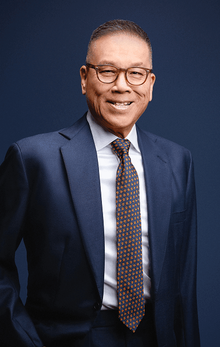
"These extraordinary times remind us why our purpose is more important than ever, and how the values that have guided us for nearly 150 years continue to shape our response to the challenges ahead,” says Mike Hsu, Chairman and CEO of Kimberly-Clark.
Its initiatives include innovative recycling through RightCycle, renewable energy investments like wind farms and partnerships improving global wellbeing for a billion vulnerable people, aligning with its purpose: Better Care for a Better World.
2. Colgate-Palmolive
Headquarters: New York, US
Chief Sustainability Officer: Ann Tracy
Founded: 1806
Employees: 34,000
By 2030, Colgate-Palmolive aims to reduce its Scope 1, 2 and 3 greenhouse gas emissions by 42%, in part by transitioning its global operations to 100% renewable electricity. By 2040, it is aiming for a 90% reduction in greenhouse gas emissions and net zero carbon across its value chain.
Already, 93% of the company’s packaging is recyclable, reusable or compostable and it signed a long-term virtual power purchase agreement in 2024 that is expected to cover around 60% of its Europe-based operational electricity needs with wind power. Since 2019 it has transitioned approximately 75% of its toothpaste SKUs globally to recyclable tubes.
“Our purpose and the promise of a healthier future energise our sustainability efforts and our people,” says Ann Tracy, Chief Sustainability Officer at Colgate-Palmolive.
1. Procter & Gamble
Headquarters: Ohio, US
Chief Sustainability Officer: Virginie Helias
Founded: 1837
Employees: 109,000

Procter & Gamble’s (P&G) aim is to reach net zero GHG emissions across its supply chain and operations by 2040. It has already achieved a 52% reduction in Scope 1 and 2 emissions and is working to reduce Scope 3 emissions from purchased goods and product use.
The company works across climate, waste, water and nature to reduce its footprint alongside developing products and solutions that help consumers lower their environmental impact during use.
Sustainability is integrated with its business goals and embedded across P&G’s entire business, including product design, supply chain and corporate strategy, driven by its Ambition 2030 programme.
Virginie Helias, Chief Sustainability Officer at Procter & Gamble, says: "We are committed to improving people’s lives with innovation that delivers irresistible performance and is more sustainable."
Company portals








Executives

Alice K. Steenland
Chief Strategy, Sustainability & Marketing Officer, Member of the Leadership Team

Ann Tracy
Chief Sustainability Officer
Annette Stube
Chief Sustainability Officer
Beat Stocker
Sr, Director, Global Sustainability
Garrett Quinn
Chief Sustainability Officer

Jennifer Motles
Chief Sustainability Officer
Lisa Morden
Chief Sustainability Officer
Louise Koch
Senior Director, Group Head of Sustainability
Mike Hsu
CEO
Su Ping Lu
Senior Vice President, General Counsel and Corporate Secretary
Virginie Helias
Chief Sustainability Officer