Maersk: ESG Progress in the Face of Climate Challenges
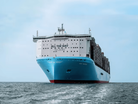
With CSRD now in effect, sustainability reporting has become a fair bit more complicated.
A.P. Moller - Maersk’s first CSRD-aligned Integrated Annual Report for 2024 shows the company is continuing to make progress on its sustainability goals, including reaching net zero by 2040.
Lene Bjørn Serpa, Director, Head of Corporate Sustainability & ESG at A.P. Moller - Maersk, explains: “Now that the first company reports are coming out, I am sure we will start to see studies that can provide a more solid and comprehensive assessment of the value of the disclosures from the perspective of the users of the reports, and thereby point to relevant opportunities to simplify the standards.”
About Maersk
As an integrated logistics company, Maersk is working around the world to simplify and connect its customers’ supply chains.
The company has committed to reaching net zero emissions by 2040 across the entire supply chain through the use of new technologies, vessels and green energy solutions.
In 2024, it had more than 100,000 employees operating in almost 130 countries, nearly nine million square miles of warehouse capacity across 500 sites and more than 700 container vessels deployed.

Across 28 countries the company uses 53 terminals including three new port projects.
Maersk’s progress on ESG commitments
Throughout 2024, Maersk continued to integrate ESG into its business and deliver progress towards its commitments.
It welcomed seven dual-fuel methanol vessels to its fleet as well as the Maersk Halifax, the world’s first retrofitted dual-fuel methanol vessel.
It also announced a renewal plan for its owned and time-chartered fleet with more than 50 vessels expected to begin service between 2026 and 2030.
The company entered a significant long-term offtake agreement for biomethanol fuel where the first volumes are expected in 2026.
Its combined methanol offtake agreements now meet more than 50% of its dual-fuel methanol fleet demand in 2027.
Maersk also continued to increase the energy efficiency of its fleet through new technologies and improved operations which lowered the emissions intensity its of ocean operations.
Despite this improvement, the company’s absolute greenhouse gas emissions increased from 2023 to 2024 which it says was mainly driven by the Red Sea situation that continued to re-route vessels with knock-on capacity shortages and port congestions requiring faster sailings.
How climate change is affecting supply chains
According to Maersk’s report, projections suggest climate change will only intensify throughout the decade with losses from adverse extreme weather events expected to rise.
Alongside efforts to decarbonise, logistics providers may have to recalibrate operations to mitigate risks from hurricanes, floods and other climate-driven disruptions.

In 2024, 219 extreme weather events were recorded and caused widespread damage.
An intense hurricane season in the US and devastating floods in Spain not only claimed lives but also paralysed regional logistics the company says.
Enhancing terminal infrastructure is now not only a matter of sustainability but also critical for maintaining resilience in the face of climate change.
Maersk’s report says: “Volatility became a defining feature this year and is here to stay, further amplifying the complexities of supply chain management. Disruptions are the new normal, with fluctuating trade routes, sudden shifts in demand and environmental concerns shaping the global trade landscape.”
Explore the latest edition of Sustainability Magazine and be part of the conversation at our global conference series, Sustainability LIVE.
Discover all our upcoming events and secure your tickets today.
Sustainability Magazine is a BizClik brand