Motor Sport: The FIA's Sustainability and D&I 2025 Report

The 2025 Sustainability and Diversity & Inclusion Report by the Fédération Internationale de l'Automobile (FIA) highlights how sustainability is becoming central to the future of motor sport, mobility and global transportation systems.
Across the industry, organisations are moving beyond long-term promises and focusing on measurable environmental action through innovation, partnerships and operational change.
The report demonstrates how energy transformation, EV development, supply chain improvements, procurement standards, advanced technology and sustainable manufacturing are shaping a more resilient and low-carbon future.

The FIA’s energy transition
One of the strongest themes throughout the report is the growing emphasis on cleaner energy solutions across motor sport and mobility.
The FIA approved its first technical and safety regulations for liquid hydrogen-powered competition vehicles in 2025, creating a framework for the safe use of hydrogen technologies in racing environments.
This development is important because motor sport often acts as a testing ground for innovations that later influence mainstream transportation systems.
The report also highlights the increasing use of sustainable fuels, hybrid-electric technologies and renewable energy infrastructure within major championships such as Formula 1 and Formula E.
“Our diversity is our strength. Looking ahead, our direction is clear,” says H.E Mohammed Ben Sulayem, President of the FIA.
“We will continue to innovate, strengthen frameworks, and raise standards.
“Together, we are shaping a future in which motor sport and mobility are not only more sustainable, but more inclusive, accessible and truly reflective of the diverse global community we serve.”
In Formula 1, centralised low-carbon power systems introduced across European Grands Prix delivered approximately a 90% reduction in energy emissions compared to previous systems.
These actions demonstrate how the industry uses competition and engineering excellence to develop practical energy solutions for the future.
The future of EVs and sustainable mobility
EV innovation continues to play a major role in sustainability progress across the FIA ecosystem.
The report outlines how the ABB FIA Formula E Championship has become a platform for showcasing next-generation EV technologies, including the launch of the GEN4 race car.
Sustainability leaders won’t want to miss Sustainability LIVE: The Leadership Summit at London Climate Action Week, taking place at Code Node on 25 June 2026.
Register now for this exclusive invite-only event.
This vehicle was designed with recyclable materials and includes at least 20% recycled content, reflecting a broader focus on circularity and resource efficiency in vehicle manufacturing.
Formula E also achieved significant emissions reductions by shifting logistics operations from air to sea freight and by implementing stronger sustainability standards across teams and promoters.
Beyond racing, the FIA supports wider mobility transformation through research, driving behaviour programmes and EV adoption initiatives in several countries.
By combining electric mobility, intelligent infrastructure and public engagement, the organisation is helping shape transport systems that are both environmentally responsible and technologically advanced.
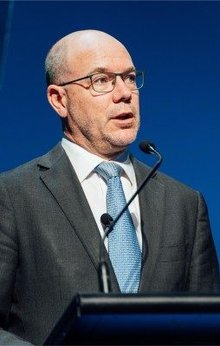
“In 2025, we continued to strengthen the frameworks that deliver value to member clubs, colleagues, teams and wider stakeholders every day,” says Andrew Fraser, FIA Chair, Sustainability and Diversity & Inclusion Committee.
“From enabling environmental performance through to increasing participation and strengthening career pathways, the FIA is driving meaningful outcomes across the sectors we serve.”
Creating sustainable supply chains and procurement
The report places significant attention on supply chain management and sustainable procurement practices as critical components of environmental responsibility.
In preparation for the 2026 Formula 1 regulations, all sustainable fuels must now meet strict certification requirements covering GHG performance, origin verification and full supply chain traceability.
This demonstrates how procurement decisions are increasingly linked to transparency, accountability and emissions reduction.
The FIA also strengthened its logistics partnerships in 2025 by appointing DHL as its Global Logistics Partner.
DHL introduced hydrotreated vegetable oil-powered trucks across the European race calendar, reducing transport-related emissions by an average of 83% compared to conventional diesel.
These improvements show how procurement strategies can directly influence operational sustainability while maintaining the efficiency required for global sporting events.
“At the FIA, our mission extends beyond motor sport,” says Alessandra Malhamé, FIA Senior Director People, Workplace and D&I.
“We are committed to fostering diversity, inclusion, and accessibility across our work.
“As we strengthen our approach, the focus is not only on expanding initiatives, but on delivering lasting, measurable impact. Ensuring talent can emerge from the widest possible pool is essential to the future of both motor sport and mobility.”
The report further highlights that supplier selection, carbon reduction plans and sustainable infrastructure are now integrated into the FIA World Championships Roadmap, ensuring sustainability expectations extend throughout the entire value chain.
Technology, manufacturing and circular design
Advanced technology and sustainable manufacturing are becoming increasingly interconnected throughout the motor sport industry.
The FIA expanded its partnership with Siemens to integrate digital twin technology and advanced simulation tools into race car design and regulation development.
These systems allow engineers to test aerodynamic performance, material choices and component efficiency in virtual environments, reducing the need for physical prototypes and lowering environmental impacts.
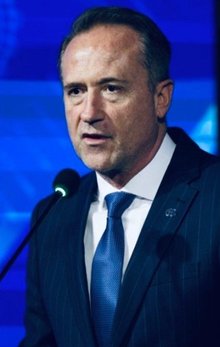
“Motor sport and mobility have a critical role to play in shaping a more sustainable future,” says Willem Groenewald, FIA Secretary General Mobility, Sustainability and Tourism.
“In 2025, the FIA strengthened the frameworks, standards and tools that help Member Clubs, championships and events turn environmental ambition into measurable action across the global motor sport and mobility ecosystem.”
At the same time, the FIA collaborated with McLaren Racing and Deloitte to create the F1 Constructor’s Circularity Handbook, which provides teams with a standardised method for measuring material circularity in manufacturing.
This framework helps organisations reduce waste, improve resource efficiency and increase the reuse of materials across vehicle production.
By embedding circular economy principles into engineering and manufacturing processes, the FIA is encouraging a shift toward more sustainable industrial practices that can extend beyond motor sport into the wider automotive sector.
Company portals

Executives

Alessandra Malhamé
Senior Director People, Workplace and D&I
Andrew Fraser
Chair, Sustainability and Diversity & Inclusion Committee

Mohammed Ben Sulayem
President
Willem Groenewald
Secretary General for Automobile Mobility and Sustainability