
SGN: Biomethane Energy Could Add £10bn to Scotland's Economy
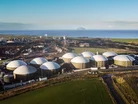
Scotland could meet around half of its gas requirements through biomethane production by 2050, according to a report from the Green Gas Taskforce published with SGN.
The analysis examines how renewable gas could support the country's energy transition while creating economic opportunities in rural areas.
The report estimates Scotland has sufficient sustainable feedstocks to generate 19TWh of biomethane by mid-century.
This follows an expected output of 8TWh by 2030, according to the document.
The projected 19TWh capacity could supply fuel to heat 76% of Scottish homes.
The analysis also identifies applications in industry, transport and power generation, suggesting biomethane could play a more versatile role in Scotland's energy mix than previously anticipated.
Biomethane can be integrated into existing gas networks without requiring households to replace their boilers.
This could reduce pressure on electricity infrastructure, the report suggests, whilst offering a practical pathway for properties where heat pump installation may prove challenging or prohibitively expensive.
Waste streams as energy feedstock
According to the report, only 2.5% of Scotland's agricultural waste currently produces biomethane.
The country's farming sector could become the largest source of feedstock for renewable gas production, representing a substantial untapped resource that could transform rural economies.
Scotland's agricultural landscape generates significant volumes of organic waste annually, including livestock manure, crop residues and food processing by-products.
The report suggests this material could be redirected from traditional disposal methods towards energy generation, creating a circular economy model that turns waste into a valuable commodity.
Scotland operates 25 biomethane plants connected to SGN's network.
These facilities decarbonise the equivalent annual gas demand of more than 208,000 households, according to the report, demonstrating that the technology has moved beyond the pilot phase into commercial operation.
A further nine plants are in development.
The report does not specify how many additional production facilities would be needed to reach the 19TWh target, though the expansion from current capacity to the projected mid-century output suggests substantial infrastructure development will be required across rural Scotland.
The country's whisky industry currently provides the largest volume of feedstock.
Waste from distilleries is delivered to anaerobic digesters at biomethane production sites, creating a symbiotic relationship between two sectors central to Scotland's economic identity.
Distillery co-products, including pot ale and draff, have historically presented disposal challenges for whisky producers.
Their conversion into biomethane offers a solution that addresses both waste management concerns and renewable energy generation, whilst maintaining the premium quality standards the industry requires.
Economic and employment implications
The report estimates Scotland's biomethane sector could contribute £10bn (US$13bn) to the national economy if fully developed.
The analysis also projects the industry could support around 8,000 jobs, with employment opportunities distributed across rural communities rather than concentrated in urban centres.
According to the report, £0.85 (US$1.10) of every £1 (US$1.30) invested in biomethane would remain within the UK economy. The document claims this represents the highest domestic content share of any renewable or low-carbon technology, offering significant advantages for local supply chains and regional economic development.
The investment required to scale biogas infrastructure is not quantified in the report. However, the taskforce suggests biomethane could generate savings in other areas of the energy system, potentially offsetting capital expenditure through reduced need for electricity grid reinforcement and imported fossil fuels.
For Scotland's farming sector, the prospect of long-term income from waste streams could provide financial stability. The country's farmers are currently operating under tight margins, with many agricultural businesses seeking diversification opportunities that can deliver reliable revenue whilst complementing existing operations.
Biomethane production offers farmers the potential for multiple income streams, including gate fees for accepting organic waste from other sources, government support payments and revenue from gas sales. This financial model could prove particularly valuable for smaller farms where traditional agricultural activities alone may struggle to provide viable returns.
Integration with heat transition
economy-wide gas demand in Scotland stood at 42TWh in 2024, according to the report.
Domestic heating accounted for 25TWh of that total, highlighting the scale of the challenge facing policymakers as they seek to decarbonise heat whilst maintaining energy security and affordability.
The taskforce argues renewable gas should form part of the core decarbonisation toolkit.
This could apply particularly to homes and businesses that may struggle to electrify quickly or affordably, including properties with poor thermal efficiency, those lacking space for heat pumps, or buildings in conservation areas where external alterations are restricted.
The report identifies biomethane's potential use in heavy goods vehicles.
It also examines applications in gas-fired power stations that could help balance the electricity system during periods of low wind and solar generation, addressing one of the key challenges facing renewable electricity systems.
Marcus Hunt, who is Business Development Director at SGN and Co-Chair of the Green Gas Taskforce, says the industry has demonstrated it can deliver at scale if given appropriate backing.
"What makes biomethane particularly compelling is that we're not starting from scratch," he explains.
"Scotland already has enough connected biomethane capacity on SGN's network to meet the equivalent demand of more than one in ten homes connected to the gas grid, demonstrating that this technology is already delivering for consumers today."
"By turning more of Scotland's agricultural and organic waste into renewable gas, we can create value in rural communities, reduce reliance on imported fuels and strengthen the resilience of our energy system. The opportunity now is to move from potential to delivery and unlock this industry at scale."
Government response and policy asks
Gillian Martin, the Scottish Government's Secretary for Climate Action and Rural Affairs, has responded to the report's findings. Her statement acknowledges the technology's potential role while indicating further assessment is needed.
"Biomethane and anaerobic digestion have an important role to play in Scotland's transition to net zero, helping to reduce emissions while making better use of local resources. This report highlights the potential to support economic activity, including in rural communities, and strengthen our homegrown energy supply," she says.
"I welcome the work of the Green Gas Taskforce in bringing forward this analysis, which we will consider as part of our wider approach to delivering a just and affordable energy transition."
The Green Gas Taskforce is calling for a national biomethane target.
The group also wants a post-2030 support framework to follow the Green Gas Support Scheme, which currently provides financial incentives for biomethane production but is scheduled to close to new applications.
Additional policy requests include action to secure zero-rating for biomethane under the UK Emissions Trading Scheme.
The taskforce also seeks measures to create a viable market for greenhouse gas removals linked to biomethane production, recognising the carbon sequestration benefits that anaerobic digestion delivers compared with alternative waste management approaches.
Charles McAllister, the Director of the Green Gas Taskforce, says collaboration with government is necessary to realise the sector's potential.
"Biomethane is a reliable, renewable and ready fuel with the potential to heat and decarbonise the equivalent of three quarters of Scottish homes whilst providing a stable revenue stream to Scottish farmers," he says.
"In order to unlock Scotland's green gas potential, the Green Gas Taskforce is calling on the Scottish Government to recognise biomethane's potential and act to turbocharge its development."
Company portals


Executives

Charles McAllister
Director
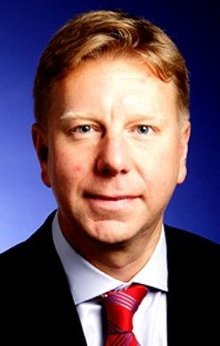
Marcus Hunt
Business Development Director