
World Cup, Water & Net Zero: This Week in Sustainability


The 2026 FIFA World Cup, which kicked off this week (11 June), will span three countries, 16 cities and 104 matches.
It could become the most carbon-intensive World Cup in history, according to environmental analysts.
Scientists for Global Responsibility (SGR) believe the event could generate around nine million tonnes of carbon dioxide equivalent in total emissions.
This is nearly double the historical average for tournaments between 2010 and 2022.
Industries in southern Europe and worldwide are addressing water stress caused by climate change and rising demand.
Water is essential for many heavy industries, which cannot operate without it.
Moeve’s San Roque Energy Park near Gibraltar is a major water consumer, supporting the company’s chemical and biofuel refining and production.

Telefónica, a major telecom company from Spain, plans to reach net zero emissions by 2040. Its climate goals have been approved by the Science Based Targets initiative (SBTi).
Since 2021, Telefónica has used double materiality analysis to find the impacts, risks and opportunities in its sustainability work.
Double materiality means companies look at sustainability in two ways: how outside factors affect their business and how their business affects the wider world.
The new Science Based Targets initiative (SBTi) standard provides businesses with multiple target-setting options to advance climate action.
According to SBTi, the Corporate Net-Zero Standard Version 2.0 moves beyond a one-size-fits-all approach and establishes SBTi as a strategic partner in corporate decarbonisation.
Founded in 2015 by CDP, the United Nations Global Compact, World Resources Institute and WWF, SBTi helps companies align their decarbonisation plans with what climate science demands.
It provides frameworks and validation for corporate net zero targets that are consistent with the 2015 Paris Agreement on climate change.

Volvo Construction Equipment and Hitachi Energy have signed a Memorandum of Understanding to establish a framework for deploying electric construction equipment.
The agreement could address one of the construction industry's most pressing environmental challenges.
According to McKinsey, building operations alone account for over one-quarter of global CO₂ emissions.
The construction industry ranks among the largest generators of greenhouse gas emissions worldwide.









Executives
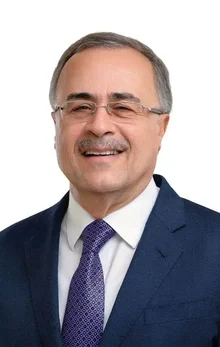
Amin H. Nasser

Dario Cesena
Managing Director IoT
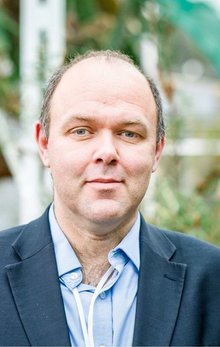
David Kennedy
CEO

Emilio Tenuta
Senior Vice President and Chief Sustainability Officer at Ecolab
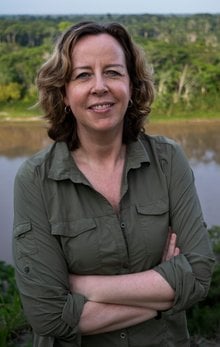
Kirsten Schuijt
Director General at WWF International

Maya Ormazabal
Global Chief Sustainability Officer, S.A.
Melker Jernberg
President

Niklas Persson
CEO Grid Integration, Hitachi Energy