Sustainability at Volvo: A 5,000 Electric Truck Milestone
Electric trucks (ETs) produce no exhaust gases, making them ideal for zero-emission zones and reducing air pollution
ET operations also minimise noise levels in urban areas, potentially enabling night-time deliveries or operations in sensitive locations.
Automaker Volvo has recently hit an electric milestone with 5,000 ETs globally.

Reaching an electric milestone
Volvo has announced the delivery of more than 5,000 battery-ETs to customers across 50 countries, marking a major milestone in its electrification journey.
Since launching its first ET in 2019, Volvo’s fleet has collectively covered close to 170 million kilometres in commercial operations, contributing to substantial reductions in CO₂ emissions and noise pollution.
“It’s rewarding to see that transport companies continue to embrace the benefits with electric trucks in a wide range of transport segments,” says Roger Alm, President, Volvo Trucks.
“Volvo’s battery-electric trucks are available here and now, providing our customers and transport buyers with a more sustainable alternative that makes business sense, and many of our customers are coming back to us to grow their electric fleets.”
Expanding the ET portfolio
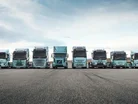
Volvo offers eight electric truck models, addressing needs in city and regional distribution, construction and waste management.
These ET models include:
- Volvo FL Electric
- FE Electric
- FM Electric
- FM Low Entry
- FMX Electric
- FH Electric
- FH Aero Electric
- VNR Electric.
Volvo’s five largest markets for electric trucks are Germany, the Netherlands, the United States, Norway and Sweden, reflecting prominent demand across Europe.
The company’s early investment in ET development has built a unique expertise in areas such as optimising energy usage, financing solutions, servicing and charging infrastructure.
Drivers also benefit from lower noise levels and reduced vibrations, improving the working environment inside the cab.
Committing to a net zero future
Volvo Trucks’ progress in electrification forms part of a broader three-path strategy towards zero emissions by 2040.
This strategy combines battery-electric vehicles, fuel cell electric vehicles and combustion engines powered by renewable fuels such as green hydrogen, biogas (Bio-LNG) and hydrotreated vegetable oil (HVO).
Volvo’s sustainability approach spans across its business, from vehicle design to operations and supply chains.
By 2030, Volvo aims to cut CO₂ emissions per car by 75% compared to 2018 levels, with a goal of achieving net zero GHG emissions by 2040.
This climate plan has been validated by the Science Based Targets initiative (SBTi) in line with the Paris Agreement’s ambition to limit global warming.
Volvo is also embedding in circular economy principles across its vehicle design and manufacturing processes.
It targets 30% average recycled content across its fleet by 2030, with new models reaching at least 35%.
The company is also transitioning to leather-free interiors using materials such as Nordico, which is made from bio-attributed sources and recycled plastics.
Following its acquisition of Bcomp, Volvo is increasing the use of natural fibre composites, offering a lightweight and sustainable alternative to traditional plastics.
Sustainable operations and ethical sourcing
Operational sustainability is a key pillar of Volvo’s environmental efforts.
All global manufacturing plants now use 100% climate-neutral electricity, with ambitious targets set for reducing energy consumption, water use and waste generation.
By 2030, at least 99% of operational waste will be reused or recycled.
Sites such as the Braås facility, operated by Volvo Construction Equipment, have already achieved carbon-neutral operations, landfill-free status and are powered by renewable energy sources.
The company is also strengthening its responsible sourcing practices, ensuring greater transparency across its supply chain and working towards more ethical alternatives to animal-based products.
Beyond its own operations, Volvo is collaborating across the automotive industry to drive broader change.
Its partnerships with suppliers, companies, and industry organisations aim to promote sustainable practices and support global decarbonisation efforts.
With the sale of 5,000 electric trucks, Volvo reaffirms its leadership in the transition to more sustainable transport solutions, combining business growth with environmental responsibility.
Explore the latest edition of Sustainability Magazine and be part of the conversation at our global conference series, Sustainability LIVE.
Discover all our upcoming events and secure your tickets today.
Sustainability Magazine is a BizClik brand