
Formula 1 on Sustainability at Breakneck Speeds
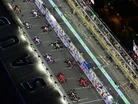
The sport of Formula 1 is known for its massive horsepower and the complex logistical feat of getting the teams, cars and entourage to each of the 24 races around the world.
At the same time, however, the sport's leaders have also set a course to a more sustainable future.
Formula 1 aims to achieve net zero emissions by 2030. To date, it has reduced emissions by 35% compared to its 2018 baseline, including a 12% reduction in 2025 over the previous year.
These reductions occurred even as the race calendar expanded from 21 to 24 events, increasing travel demands.

However, these reductions also factor in Sustainable Aviation Fuel (SAF) certificates, also known as SAFc or SAF credits.
These tradable instruments represent the carbon reductions from producing and using SAF, allowing organisations to claim climate benefits without directly purchasing or using the fuel.
Since 2018, Formula 1 has eliminated over 80,000 tonnes of CO2-equivalent emissions through Sustainable Aviation Fuels, electrification and other sustainable alternatives, it claims.
A new logistical challenge
To further decarbonise, Formula 1 is changing how it moves between tracks, often within a week.
Currently, Formula 1 relies on road and air freight to transport cars and equipment. The organisation aims to shift 50% of broadcast and related freight to sea transport or regional hubs.
To support this transition, Formula 1 and DHL will invest in sustainable maritime fuel and expand the use of biofueled trucks in 2025.
“Sustainability underpins every decision we make, not only on the racetrack, but in how we produce and deliver our iconic events around the world,” says Ellen Jones, Head of ESG at Formula 1.
Ellen will deliver a keynote address at Sustainability LIVE: The Leadership Summit at London Climate Action Week (25 June 2026, Code Node). Sign up here.
“By doubling the sport’s investment in sustainable aviation fuel (SAF), making our first investment in sustainable maritime fuel and continuing to work closely with promoters, teams and partners, we are driving further emissions reductions while accelerating the adoption of the latest technologies,” she says.
“These actions demonstrate our continued determination to lead through sustainable innovation. As we move towards our net zero by 2030 goal, the Future Race Operations Programme will deliver further significant reductions in the years ahead, alongside the full impact of calendar rationalisation, which will come into effect from the 2026 season.
“Together, these initiatives show that sustainable operations are not only possible at a global scale, but can be delivered without compromising the performance, ambition or spectacle that define Formula 1.”
Real-world application
Formula 1’s commitment to sustainability enables the application of innovative technologies and solutions in real-world environments.
To reduce its carbon footprint at race tracks, Formula 1 and its partner Aggreko are using higher levels of synthetic renewable diesel (HVO), as well as solar and battery solutions, for on-site operations at European events.
Because large-scale events are infrequent at race tracks, investing in permanent low-carbon infrastructure is challenging. Temporary technologies allow Formula 1 to reduce environmental impact without significant expense.
Developing such technologies is essential for event-based industries to meet climate commitments.
“At Formula 1, we act and show our achievements through facts, not just words, and I am incredibly proud that we remain on track to achieve net zero by 2030, made possible by the collective effort across the sport to reduce our environmental impact,” says Stefano Domenicali, President and CEO of Formula 1.
From calendar rationalisation to greater investment in sustainable fuels and alternative energy solutions, we have reduced our footprint while the sport continues to grow and reach new audiences around the world.”
Collective responsibility
Decarbonising Formula 1 is a shared responsibility. Teams are also investing in a sustainable future.
Earlier this month, the Mercedes-AMG Petronas Formula 1 team introduced an all-electric truck. The eActros 600 will transport the team’s cars and equipment to European races, complementing the bio-fueled fleet.
Meanwhile, world champions McLaren Racing has partnered with Ecolab to cover 100% of its aviation travel emissions using SAF certificates.
In 2021, McLaren also set a goal to develop the first Formula 1 car made from recycled and recyclable materials.
DHL Group has announced plans to expand its capabilities in new energy sectors in response to strong customer demand.
DHL aims to grow its revenue in New Energy logistics from around €600m (US$695m) in 2025 to €3 billion (US$3.5bn) by 2030.
Company portals






Executives

Ellen Jones
Head of ESG

Stefano Domenicali