Hitachi ZeroCarbon: eHGVs, Freight & Sustainable Charging

The transition to net zero is challenging in the transport sector.
Heavy Goods Vehicles (HGVs) may only account for a fraction of vehicles on UK roads, but they contribute around 20% of transport-related emissions according to the UK Government.
Decarbonising this sector is therefore vital to meet legally binding climate targets.
Electric HGVs (eHGVs) not only remove tailpipe emissions, but can also help businesses to reduce fuel dependency, cut operational costs and future-proof their operations against tightening regulations.
By embracing electrification and innovative solutions like shared charging, logistics operators can play a leading role in creating a cleaner, smarter and more efficient transport future.
Leon Clarke is Head of Operations and Delivery at Hitachi ZeroCarbon, leading its project implementation and managed services to help commercial vehicle fleets make the transition to electric and optimise EV charging.
Leon shared his expertise with Sustainability Magazine.

What are eHGVs?
An eHGV is an electric Heavy Goods Vehicle, powered by electricity stored on board in a large battery array, rather than a traditional diesel or petrol engine.
As a zero-emission alternative to conventional trucks, eHGVs are essential to the UK’s shift toward cleaner, more sustainable transport and play a key role in reducing carbon emissions from the freight sector.
Currently, HGVs account for around 20% of the UK’s transport emissions, making the freight industry a key target for decarbonisation.
To address this, the UK government has announced that all new HGVs sold from 2040 must be zero emission.
Decarbonising this industry is essential to keep goods moving across the country while reducing environmental impact.
To accelerate the shift to zero emission HGVs, the UK government’s DfT has launches several industry demonstration projects, including ZEHID (Zero Emission HGV and Infrastructure Demonstrator).
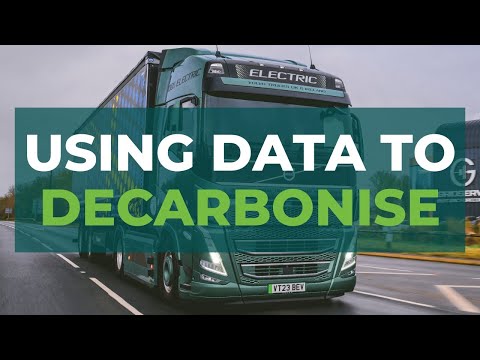
Within ZEHID, GRIDSERVE and Hitachi ZeroCarbon’s Electric Freightway project is collecting millions of miles of real-world journey and performance data from both diesel and eHGVs.
Around 160 government subsidised eHGVs are already in operation across a consortium of hauliers, with insights set to help others embark on their own decarbonisation journey.
For businesses, transitioning to eHGVs isn’t just about meeting regulations, it’s a strategic opportunity to future-proof operations, cut emissions and actively support the nation’s journey to net zero.
How can eHGVs support sustainability?
eHGVs are essential to decarbonise the sector.
By replacing diesel-powered trucks, they offer a practical way to reduce freight-related emissions.
We are already seeing organisations integrate eHGVs into their fleets — as part of the Electric Freightway project alone, there are 155 eHGVs on order, with 53 already delivered and most now on the road in the UK.
But the shift isn't just about the vehicles, it’s about adopting an entire EV ecosystem, including charging infrastructure and smarter fleet management.
A successful transition to eHGVs requires collaboration between operators, service providers, grid infrastructure and government.
Projects like GRIDSERVE’s Electric Freightway, supported by the Department for Transport and Innovate UK, work to break down adoption barriers and align the industry to net zero goals.
Sustainability also demands a shift in mindset.
Everyone, from senior leaders to drivers, must be part of the journey.
Research shows 66% of managers back EV charging for HGVs, but only 40% of drivers do.
This gap highlights the need for better education and engagement across entire fleets.
Importantly, switching to electric doesn’t mean starting from scratch.
Fleets don’t need to be reinvented; they need to evolve.
Through smarter planning, harnessing data and investment in infrastructure, eHGVs can become the new standard for sustainable, future-ready logistics in the UK.
What is shared charging and how can it support EVs?
Shared charging is a practical solution that allows multiple fleet operators to use a common network of EV chargers, typically hosted by organisations at their depots.
With pre-agreed terms and usage costs, fleets can access charging without investing in their own infrastructure.
This model helps reduce upfront costs, minimise downtime and accelerate electrification at scale.
A key benefit of shared charging is its accessibility.
While larger businesses may have the capital to build private charging networks, smaller operators can tap into shared systems without the financial burden of installation.
For depot owners, it also offers a long-term opportunity to generate revenue by monetising unused charging capacity, especially during off-peak hours.
Beyond cost savings, shared charging supports the wider energy system.
By promoting load balancing and encouraging off-peak charging, it eases pressure on the grid and improves overall efficiency.
As fleet electrification gathers pace, shared charging can play a central role in making the transition smoother and more inclusive.
It offers greater flexibility for operators and a smart way for infrastructure owners to contribute to and benefit from, the move to a cleaner transport future.
What are the challenges of shared charging?
Shared charging presents a valuable opportunity to accelerate EV adoption, especially for fleet operators, but several challenges still need to be addressed for it to scale effectively.
A key barrier is infrastructure readiness.
Depot-based charging is still in its early stages and many fleets are navigating this for the first time.
From assessing site suitability to working with Distribution Network Operators (DNOs) and managing energy supply, the process involves a steep learning curve.
Each depot is tailored to specific operational needs, including fleet size, route patterns and charging behaviours, making development time-consuming and complex.
This slows the pace at which shared charging models can expand.
Another challenge is awareness and trust.
Many operators prefer to maintain full control over their site access and charging infrastructure to ensure reliability and predictability.
However, data from the Electric Freightway Project shows many depot chargers are underused, with some only active once per shift.
This underutilisation represents a clear opportunity: by opening up access to other fleets, operators can maximise asset use, generate additional revenue and support grid balancing during off-peak hours.