The Reaction to Bill Gates’ Polarising New Stance on Climate
Bill Gates' recent call to reframe climate action around human welfare rather than emissions targets has triggered a fierce backlash from climate advocates, many of whom are warning that this approach could risk legitimising delay tactics.
Writing just days before the beginning of COP30 in Belém, Brazil, the Microsoft Co-Founder argued that the world should judge climate progress not by temperature targets but by improvements to quality of life, particularly in developing nations.
However, the timing and substance of his intervention have alarmed scientists and activists who view it as a dangerous distraction from the urgent need to cut emissions.
The impact of Bill Gates' message ahead of COP30
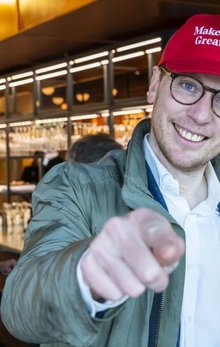
Ingmar Rentzhog, Founder of climate advocacy group We Don't Have Time, published a retort to the missive, which accused Bill of strategically timing his message to overshadow crucial warnings from the UN.
On 28 October 2025, the UN Secretary-General António Guterres warned that humanity had "failed to ensure we remain below 1.5 degrees" and faced "devastating consequences".
That same day, Bill released his letter calling for "practical optimism".
Ingmar observed that, by the end of the day, global headlines weren't leading with the UN Secretary-General's plea.
“They were leading with the billionaire's 'practical optimism', drowning out the science before world leaders even boarded planes to Belém,” he says.
The Lomborg connection
Perhaps most controversially, DeSmog uncovered that the Bill & Melinda Gates Foundation has quietly funded the Copenhagen Consensus Center (CCC) for more than a decade, with grants exceeding US$3.5m.
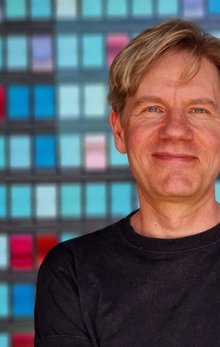
The CCC is a thinktank run by Bjørn Lomborg, a Danish author known for promoting what experts call “climate delayism”.
Bjørn quickly praised Bill's essay online and with a column in the New York Post. “Prioritising health, poverty reduction and innovation over fearmongering is a win for pragmatism that's worth celebrating,” he wrote on LinkedIn.
US President Donald Trump also celebrated Gates’ suggestions with a post on Truth Social, in which he wrote: “I (WE!) just won the War on the Climate Change Hoax. Bill Gates has finally admitted that he was completely WRONG on the issue.”
Ingmar argues that these reactions speak to a troubling pattern: "Gates didn't just echo Lomborg's message, he helped fund it."
The cost of delaying emissions reductions
Critics point to research from the University of Exeter and the Institute and Faculty of Actuaries warning that current policies risk triggering cascading tipping points, with potential economic losses of up to 50% of global GDP by the late 21st century.
Kaya Axelsson, Head of Policy & Partnerships at Oxford Net Zero, has previously challenged market-based climate solutions, saying: "We confused the means for the ends. We allowed an instrument to become our own prison keeper. The market is our instrument and we must recapture it through policy and regulation."
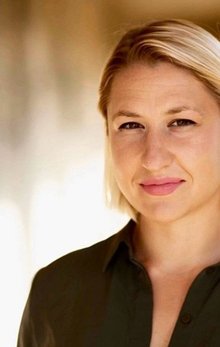
Clover Hogan, Founder of Force of Nature, was more direct in her assessment of Bill's intervention.
"Let's be honest: this is the kind of story you tell when you're heavily invested in the very industries driving the crisis," she says.
"Gates holds major stakes in coal, oil, private jets and transport networks moving dirty fuels, which make him hundreds of millions every year."
The fundamental question
Ingmar frames the debate as a choice between two paths. "Should we let a handful of tech billionaires decide when and how humanity responds to the climate crisis?" he asks. "Or should we let scientists guide the path forward, while there's still time to act?"
As delegates gather in Brazil, that question is looming over proceedings.

Bill maintains he remains guided by science, yet his message has been celebrated by figures known for arguing that rapid emissions cuts are too expensive or unnecessary.
The controversy only draws attention to a deepening rift between those who prioritise immediate decarbonisation and those who advocate for a development-first approach to climate resilience.
Company portals






Executives
Bjorn Lomborg
Founder
Clover Hogan
Founder & Advisor
Ingmar Rentzhog
CEO and founder
Kaya Axelsson
Research and Policy Fellow (Oxford Net Zero)