How are BYD & Octopus Energy Powering the UK's EV Adoption?
With more than £2.3bn (US$3.1bn) in government investment focused on electric vehicles (EVs), the UK steps up efforts to cut transport emissions and decarbonise its roads.
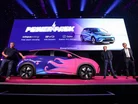
The latest collaboration between energy supplier Octopus Energy and EV manufacturer BYD brings a new tool to that challenge: the UK's first vehicle-to-grid (V2G) bundle.
Launched at the 2025 Energy Tech Summit in London, the initiative marks a shift in how electric cars connect with the electricity network, using smart tariffs, bi-directional charging and accessible lease pricing to lower costs and support a greener grid.
EVs as energy assets, not just vehicles
At the heart of this bundle is the idea that electric cars can do more than just drive. Instead of only consuming energy, V2G-ready vehicles can also feed electricity back into the grid when demand is high.
This is made possible through bi-directional charging, technology that enables a car to act as both a load and a supply.
The new offer includes a BYD Dolphin electric vehicle with built-in V2G functionality, a Zaptec Pro bi-directional charger and a smart energy tariff from Octopus Energy, managed by its Kraken software platform.
For drivers, this package is available from under £300 (US$408) a month, though prices may vary based on lease terms.
This bundle transforms the EV into a mobile energy storage unit. Drivers can charge the car when electricity is cheap, typically overnight, and export it back to the grid during peak hours.
This system not only reduces household electricity bills, but also supports the wider energy network by smoothing out fluctuations in supply and demand.
"Bi-directional charging is the game-changer for drivers and the grid," explains Greg Jackson, Founder of Octopus Energy Group.
By using some of the battery’s spare capacity to help balance the grid, we can offer free driving. V2G is going to revolutionise our energy system and help drive costs down."
Bringing V2G within reach
Until now, most V2G setups have required expensive first-generation chargers, limiting their accessibility.
The BYD Dolphin, however, is the first model available in the UK with built-in V2G support, removing the need for external upgrades or specialist installations.
Octopus Electric Vehicles, the UK’s largest EV-only leasing provider, is packaging the technology in a straightforward subscription model.

Customers can access the full system, including car, charger and smart tariff, with no upfront hardware costs.
The process is automated, with Kraken managing charging cycles and ensuring free home charging throughout the lease.
On a standard electricity tariff, the average driver might spend around £620 (US$844) annually on home charging.
With V2G and smart automation, those costs can be eliminated entirely.
“BYD is fully committed to making intelligent, innovative, sustainable technologies available to our customers,” says Stella Li, Executive Vice President of BYD.
“Together with Octopus Energy, we’re enabling EV owners to play an active role in the energy ecosystem, reducing costs and increasing the resilience of renewable power systems.”
Inclusion as a design principle
A central focus of the Power Pack Bundle is ensuring the technology reaches a broad spectrum of users.
Octopus and BYD are working with Motability Operations, the UK’s largest leasing provider for disabled drivers, to make sure the benefits of V2G are accessible to people with disabilities.
Motability Operations helps around 700,000 people lease accessible vehicles and the partnership is designed to make the bundle available on inclusive terms.
For those eligible, this means cleaner mobility at reduced cost without needing to manage the technical side of charging.
"It’s great to see V2G technology becoming available at scale – effectively turning EVs into energy assets that can help power homes and support the grid," says Andrew Miller, CEO of Motability Operations.
"For our customers, this could mean significantly lower energy bills and an even more affordable route into electric driving.
“We’re proud to be part of a partnership that’s not only breaking new ground in energy, but also ensuring the benefits are accessible to disabled people across the UK.”
As the UK continues expanding its EV infrastructure with public and private support, bundles like this reflect a future where cars support energy networks, not strain them.
It’s not only a shift in how people drive, but how the nation consumes and shares power.
Explore the latest edition of Sustainability Magazine and be part of the conversation at our global conference series, Sustainability LIVE.
Discover all our upcoming events and secure your tickets today.
Sustainability Magazine is a BizClik brand