Extreme Weather & Pollution: What is World Water Week?
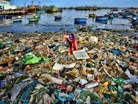
World Water Week, the leading annual conference on global water issues, will return from 24 to 28 August 2025 in Stockholm, Sweden and online.
Organised by the Stockholm International Water Institute (SIWI), the event serves as a vital forum for policymakers, researchers, UN experts, business leaders, activists and communities to collaborate on sustainable water solutions.
This year marks the 35th edition of the conference, with the theme "Water for Climate Action".
The event aims to share the message that water is central to tackling climate change, protecting biodiversity and driving sustainable development.

Why water matters for the climate
From floods and droughts to melting glaciers and degraded ecosystems, the impacts of climate change are felt first and most severely through water according to SIWI.
Despite this, water has historically been overlooked in climate negotiations.
Global climate agreements at COP28 and COP29 began to change this narrative, recognising water as essential to both mitigation and adaptation.
With COP30 set to take place in Brazil in November 2025, World Water Week could help to build momentum and integrate water into international climate strategies.
World Water Week's programme in 2025
The 2025 programme will explore the full water cycle, with particular attention to:
- Ecosystem protection and climate-resilient water management
- Equity and justice, ensuring access for vulnerable groups
- The role of indigenous knowledge in water governance
- Youth engagement, empowering the next generation of water leaders.
Carlsberg Group's water impact
World Water Week also provides a stage for major partnerships.
The Carlsberg Group announced a collaboration with Water.org to improve access to safe water and sanitation in the Ganges River Basin.
“Water is the foundation of thriving communities and resilient ecosystems," says Simon Boas Hoffmeyer, VP Sustainability at Carlsberg Group.
“As a large consumer of water, we have a responsibility to contribute to water replenishment, including access to safe water and sanitation.
“Our new partnership with Water.org addresses urgent water needs in the Ganges River Basin, while promoting dignity, opportunity and long-term impact.
“By enabling access to safe water for more than 112,000 people, this partnership aims to help communities unlock better health and economic stability."
Targeting regions in Haryana, Rajasthan, Uttar Pradesh and Bihar, the initiative is set to enable access to 247 million litres of water, reaching 112,000 people by 2028.
Water.org’s WaterCredit solution launched in India in 2004 and helps families secure affordable microfinance loans for water and sanitation.
To date, more than 30 million people have benefitted from this.
"Safe water is the foundation of health, opportunity and progress,” says Gary White, CEO and Co-Founder of Water.org.
“Through this partnership, Carlsberg joins a broader movement of partners committed to scaling solutions that work.
“Together, we’re helping more families in India secure access to safe water and the transformative possibilities that come with it."
The global water challenge
In 2023, an estimated 2.2 billion people still lacked access to safely managed drinking water according to the World Health Organisation (WHO) and UNICEF.
The WHO predicts that safer water, sanitation and hygiene could prevent the death of roughly 1,000 children under 5 years old a day.
In 2022, The World Bank discovered that water-related disasters have dominated the list of disasters over the past 50 years and account for 70% of all deaths related to natural disasters.
World Water Week attracts participants from more than 190 countries and aims to serve as a bridge to upcoming global forums, including the UN Water Conference in 2026.
At the Opening Ceremony on 25 August, top experts, changemakers and policymakers will set the tone for a week of dialogue, innovation and collaboration, spotlighting both achievements and the challenges ahead.