
COP30, Nature & Circularity: This Week's Top Stories


10 November
A study published by Climate Analytics, a non-profit climate science organisation, suggests that the 1.5°C climate target remains achievable, directly contradicting recent reports from the UN Environment Programme and climate modelling studies that declared the goal effectively dead.
The report arrives as world leaders gather in Belém, Brazil, for COP30, where just half of all 197 countries have submitted the national climate plans that are required as part of the Paris Agreement.
Nevertheless, Climate Analytics suggests that global warming could peak at 1.7°C before 2050, then decline to 1.5°C by the century's end if the world's leaders pursue policies of aggressive fossil fuel phase-out and the rapid adoption of carbon removal technologies.
This stands in sharp contrast to the UNEP's Emissions Gap Report, published last week, which found that current trajectories make exceeding 1.5°C inevitable within the next decade.
10 November
As Global Subject Matter Expert – Nature & Biodiversity at Arcadis, Daisy Hessenberger provides thought leadership on the critical role of nature and Nature-based Solutions (NbS) in improving quality of life.
With a background in plant sciences - including a PhD from the University of Cambridge - and over seven years dedicated to NbS at both Arcadis and the International Union for Conservation of Nature (IUCN), Daisy is passionate about partnering with nature and communities for sustainable solutions.
Her work at Arcadis also involves contributing to strategy, policy, and solutions analysis, including work on global disclosure frameworks such as TNFD and CSRD, in partnership with the World Business Council for Sustainable Development (WBCSD).
Her mission is to leverage scientific expertise and communication skills to scale up NbS, contributing to a future where both people and nature thrive.
Daisy shares her expertise with Sustainability Magazine.
12 November
COP30 had been under way for three days when its first controversial moment occurred.
Disputes are never far away at the UN's global climate conferences, but the scenes of protesters storming the conference in Belém illustrate how volatile the mood is this year.
On the evening of 11 November, dozens of demonstrators, many wearing traditional indigenous dress and brightly coloured feather headdresses, forced their way past security and into the venue's Blue Zone, pushing at least one door off its hinges in the process.
UN security personnel scrambled to contain the breach, leading to physical confrontations that left two guards with minor injuries, according to a UN spokesperson.
10 November
The Science Based Targets initiative (SBTi) has released a second draft of its revised Corporate Net-Zero Standard for public consultation.
Informed by feedback from the first consultation and expert working groups, the update aims to strengthen scientific integrity while improving clarity, actionability and usability.
The goal is simple: help more businesses turn science-based ambition into credible emissions cuts at pace.
11 November
Several construction professionals are now prepared to pay more for services and materials with genuine circular credentials, according to new research.
The study from Holcim UK highlights a growing demand for sustainability that is verifiable, urging industry leaders to support the implementation of mandatory third-party certification into circular procurement standards to avoid the risks of greenwashing.
Holcim UK – a company involved in sustainable building solutions – has a stated goal of achieving net zero by 2050 through decarbonisation and circularity.
Holcim UK's latest Circularity Survey gathered insights from 500 UK-based decision-makers including architects, building contractors and haulier merchants to explore the changing attitudes towards the circular economy.
The research was commissioned to help the government and the wider industry understand the barriers preventing the sector from fully adopting circular practices.
Company portals




Executives
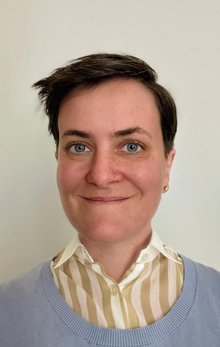
Daisy Hessenberger
Global Subject Matter Expert - Nature & Biodiversity