Can Verizon’s Flood Tech Protect Against Extreme Weather?
When a natural disaster strikes, timing is everything.
As climate change makes storms more intense and unpredictable, city planners and emergency services face new challenges.
In 2025, technology provides new tools for coping with extreme weather.
Verizon, one of the largest telecommunications companies in the US, is now using its 5G network to deliver data that could improve emergency flood responses, and is set to deploy around 50 floodwater sensors in Chicago.

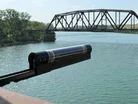
The sensors are placed in flood-prone areas to monitor water levels and feed data directly to the city’s emergency teams.
Developed by Michigan-based start-up Hyfi, these devices use wireless and solar power, reporting real-time flood data through an online dashboard.
Urban water management under strain
It marks the second US city to use Verizon’s flood monitoring technology, following a pilot run in New Orleans during Hurricane Francine.
Though Chicago does not face hurricanes in the same way, it struggles with its own set of problems, ageing drainage systems and limited green space have left it increasingly prone to floods.
"Flooding has been in the headlines more than ever and the impact can be devastating," says Donna Epps, Chief Responsible Business Officer at Verizon.
Chicago’s outdated sewer system combines rainwater and waste into the same pipes. During intense rainfall, these combined sewers overflow, causing water to back up into basements and flood streets.
As urban surfaces like roads and buildings reduce the amount of soil available to absorb rain, the city faces heightened risks with each storm.
The Hyfi system blends physical sensors with digital mapping. Each sensor tracks water levels and feeds data into a web-based tool that emergency services and city managers can view.
This enables them to identify where water is rising and respond before the situation becomes dangerous.
"Chicago is leading the way in using data to tackle urban flooding head-on," says Brandon Wong, CEO of Hyfi.
Another advantage of the Hyfi technology is that it does not require manual calibration. Emergency responders do not have to risk their safety by accessing flooded areas to check equipment.
The system remains functional even during severe weather events when traditional monitoring becomes impossible.
Flood warnings can be sent up to an hour before critical levels are reached. This early detection allows both the city and residents to act quickly and potentially avoid the worst impacts of flash flooding.
Community-led response to climate risk
The deployment includes a community engagement element led by the Center for Neighborhood Technology.
The organisation works with local groups such as The Greater Chatham Initiative, Grassroots Empowerment Mission and the North River Commission to inform residents about the new system.
Community meetings aim to help people understand how to read the data and respond appropriately.
"Our research has found the problem is worse in places where people with fewer resources live," says Nina Idemudia, CEO of Center for Neighborhood Technology.
Eventually, data from the sensors will be made available through a mobile app.
Residents will be able to see flooding conditions in their neighbourhood in real time, putting control into the hands of those most affected.
The project combines grassroots awareness with advanced technology, creating a model that could be repeated across other cities.
Verizon says this Chicago rollout is just the beginning.
Laying the groundwork for future investment
The initiative in Chicago is part of a larger flood warning system that Verizon plans to expand to other cities over the coming year.
Exact locations have not been disclosed, but the infrastructure is designed to be scalable and cost-effective.
Hyfi has also joined Verizon’s Frontline Innovation Program, created in 2024 to develop technology for emergency response.
The partnership signals a long-term commitment to building digital tools that address physical climate threats.
The sensors highlight the role telecommunications companies can play in disaster preparedness.
While traditionally focused on communication services, firms like Verizon are now offering digital infrastructure to support local resilience efforts.
Data collected from the sensors will not only guide emergency responses but also shape future infrastructure investments.
City planners can use it to identify the most flood-prone areas and decide where to focus public works spending.
"We're focused on helping crews and communities get ahead of floods — up to an hour before a flood hits," Brandon says.
If successful, the project could influence how cities across the US plan for climate change.
With extreme weather events becoming more frequent, investments in early warning systems and real-time data may be one of the most practical steps cities can take.
"We’re pleased to launch these flood sensors in Chicago," says Donna, "and we’ll continue to invest and innovate to bring game-changing technologies to communities that need it most."