
Verizon: Sustainability, Clean Networks & Smarter EV Fleets
Verizon is aligning growth with measurable climate and social outcomes.
The US telecommunications company reported US$133.9bn revenue in 2023 and is using its scale to decarbonise operations, harden network resilience and help customers cut fuel and emissions through Verizon Connect fleet software.
More than 90% of its operational footprint comes from electricity to power networks and data centres, so progress is tied to energy efficiency and clean power.
Greener networks and clear targets
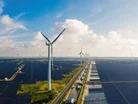
Verizon sourced renewable energy equal to 56% of annual electricity use in 2024 and is targeting 100% by 2030, supported by 28 long-term renewable energy purchase agreements totalling about 3.7 GW as of February 2025.
The company expects net zero operational emissions by 2035 and reports a 61% market-based reduction in scopes 1 and 2 since 2019 alongside a 28% cut in scope 3.
On-site generation adds resilience with 38.6 MW installed across facilities.
Sustainability Magazine has ranked Verizon 43rd in its Top 250 World’s Most Sustainable Companies 2025.
Financing the transition
Verizon has issued US$6bn in green bonds to accelerate clean energy, allocating nearly US$700m from its sixth US$1bn bond to new renewable agreements that add capacity to the US grid.
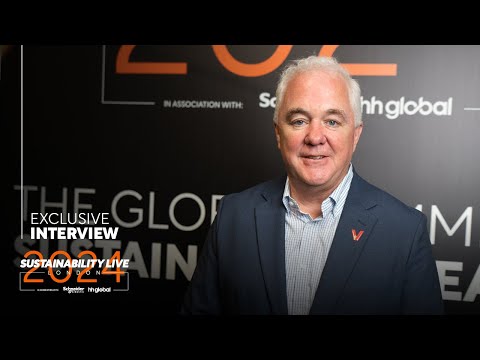
“We are proud to help accelerate the transition to greener electrical grids across the U.S. as we work to meet our environmental and social impact goals,” says James Gowen, Chief Sustainability Officer and SVP for Global Supply Chain at Verizon.
“Our green bond initiatives will help us source renewable energy equivalent to 100% of our annual electricity consumption by 2030 and achieve net zero operational emissions by 2035.”
The company has already achieved its 20m tree-planting goal set for 2030, contributes to community e-waste collections and reports progress through Responsible Business and TCFD reporting.
By pairing capital allocation with contracted clean power and on-site systems, Verizon is de-risking energy costs, improving emissions visibility and advancing towards 100% renewable electricity by 2030 and net zero operations by 2035.
Fleet decarbonisation for customers
Verizon Connect delivers near real-time GPS tracking, asset monitoring and AI-enabled driver coaching to cut idling, harsh driving and speeding, which reduces fuel use and maintenance costs while improving safety.
Dashboards, reports and alerts streamline dispatch and routing to avoid miles driven and emissions.
EV management provides live location, charging status and battery-level alerts, enabling data-driven electrification plans.

Integrated Video pairs HD footage with telematics for contextual incident analysis and targeted coaching, helping operators reduce risk, extend asset life and evidence scope 1 savings that roll up into scope 3 reductions for customers.
Resources, waste and community
Verizon recycled or reused over 92m pounds of materials in 2024 and has collected 9.2 million pounds of community e-waste since programme launch, supported by free public recycling events.
Water consumption fell 7% from 2019 to 2024 through conservation measures.
The responsible supply chain programme strengthens risk management across major categories such as network equipment and construction while engaging suppliers on environmental and labour standards.
People outcomes include:
- A 100% pay equity by gender globally and by race and ethnicity in the US
- A US workforce where women and minorities comprise over 60%
- To date, US$2.6bn invested in healthcare benefits and services
- More than 2.1 million volunteer hours since 2019
- Initiatives to train 10 million young people in digital skills by 2030.
Company portals

Executives

James Gowen
Chief Sustainability Officer and SVP for Global Supply Chain